

Different Types of Fishing Techniques: A Beginner’s Friendly Guide
Hey there, fishing fan! If you’re looking to get started with fishing but feel overwhelmed by all the options, don’t worry—you’re definitely not alone. There are many different types of fishing techniques you can explore, each offering a fun, unique way to enjoy time outdoors and (hopefully!) land some great fish.
Today, I'm here as your fishing buddy to break down the most popular fishing methods for beginners, complete with easy tips and real-world advice. Let’s start right now!
10 Different Types of Fishing Techniques
Bait Fishing (Still Fishing)
When it comes to different types of fishing techniques, bait fishing is usually where most anglers begin. It's the image you probably have in your mind: sitting by a quiet pond, line in the water, waiting patiently.
In bait fishing, you use natural bait like worms, minnows, shrimp, or even bits of corn to attract fish. You cast your baited hook into the water and simply wait for a fish to come by and bite. The beauty of this method lies in its simplicity—no fancy moves are required.
To get started, you don’t need much: a basic spinning rod, a few hooks, a bobber, and a handful of live bait will do the trick. This makes bait fishing not only affordable but also extremely beginner-friendly.
In terms of location, it's perfect for lakes, rivers, ponds, and even ocean piers. Because of its versatility, you can catch a wide variety of species this way, including carp, catfish, trout, bass, and many more.
For your first trip, it’s a smart move to find a quiet spot with natural cover like rocks, weeds, or fallen trees—fish naturally seek out these hideouts. Once you cast, keep an eye on your bobber, stay patient, and get ready for the thrilling moment when your line finally pulls tight.
Fly Fishing
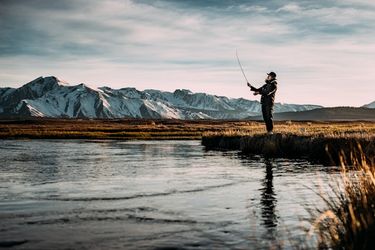
Among all the different types of fishing techniques, fly fishing stands out as perhaps the most artistic and elegant. Instead of relying on heavy bait, this method uses lightweight "flies" that imitate insects gently landing on the water’s surface to tempt fish.
The real magic of fly fishing lies in the presentation. To succeed, you need to make your cast smooth and natural, so the fish believe your fly is real prey. Because of its delicate nature, fly fishing can feel incredibly rewarding once you master the basics.
Typically, fly fishing shines in mountain streams, clear rivers, and calm lakes—especially in regions where trout and salmon thrive. In addition, many freshwater hotspots across North America, Europe, and New Zealand are famous for offering world-class fly fishing experiences.
If you’re just starting out, don’t stress about mastering fancy casting techniques right away. Instead, focus on learning a simple roll cast or overhead cast. For example, the roll cast involves keeping your rod tip low, swinging the line backward, and rolling it smoothly across the surface—perfect for tight spaces where full backcasts aren’t possible.
When it comes to gear, fly fishing is a little different from other fishing styles. You’ll need a special fly rod, a matching reel, and a heavier fly line designed to carry those lightweight flies effectively through the air.
Budget-wise, expect to invest around $100–$300 for a good beginner fly fishing setup, which you can easily find on Amazon, at Bass Pro Shops, or in local outdoor stores. If you're looking to save, consider checking for second-hand gear or seasonal sales—fly rods and reels often pop up at great discounts!
And trust me—the moment a trout leaps out of the water to smash your fly, you’ll understand instantly why so many anglers become lifelong fans of this graceful fishing technique.
Lure Fishing (Spin Fishing & Baitcasting)
When exploring different types of fishing methods, lure fishing is easily one of the most exciting and active styles you can try. Instead of using live bait, you rely on artificial lures designed to mimic baitfish, insects, frogs, or other prey that predatory fish can’t resist.
Typically, there are two main styles of lure fishing:
- Spin fishing, which uses lighter rods and spinning reels, making it perfect for beginners, and
- Baitcasting, which involves a heavier setup that offers more power and casting precision once you build some experience.
In terms of locations, spin fishing works great in lakes, rivers, and even saltwater bays. Because of its versatility, you can chase a wide range of aggressive species, including bass, pike, walleye, and perch.
To get started, it’s a smart idea to begin with simple, easy-to-use lures like spinnerbaits, crankbaits, or soft plastics. For example, a basic spinnerbait offers great movement in the water with very little effort.
When retrieving your lure, don’t be afraid to mix things up—sometimes a fast, erratic motion for 3–4 seconds followed by a 2-second pause can mimic an injured fish and trigger explosive strikes.
As you gain more confidence, you can start experimenting with different lure types, retrieval techniques, and even targeting different depths, making lure fishing endlessly customizable and fun.
Just a quick tip:
Don’t reel too steadily all the time—many fish strike during speed changes or when the lure appears wounded.
With a little practice, lure fishing will quickly become one of your favorite ways to stay active and connected to the water.
Trolling
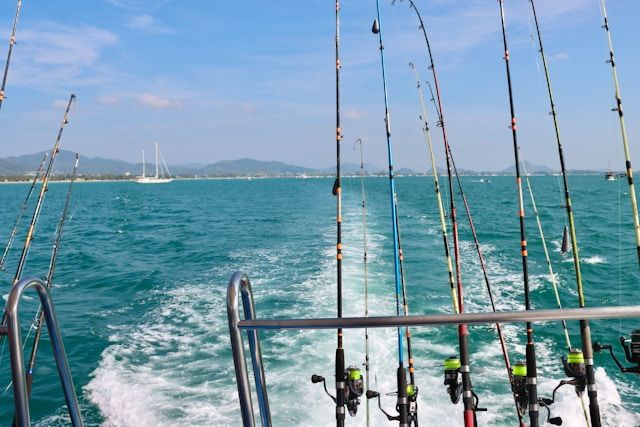
If you’re looking for one of the most adventurous experiences among many different ways to fish, trolling is definitely a top contender. Instead of staying in one spot, you actively move your boat while dragging baited lines behind you, covering a wide area to find roaming fish.
Typically, trolling is perfect for big, open waters like large lakes, deep reservoirs, and offshore oceans.
Because you can search such vast spaces, it’s especially effective for targeting larger species like salmon, tuna, mahi-mahi, and marlin.
When it comes to equipment, you’ll want a sturdy trolling rod, a reel with plenty of line capacity, and lures or live bait rigs built to endure long hours in the water. Expect to invest around $150–$500 for a good beginner trolling setup, available at places like Bass Pro Shops, West Marine, or even second-hand stores if you’re looking to save money.
To get started, maintain a steady boat speed—typically between 2 to 4 mph. For example, if you’re trolling for tuna, a slightly faster speed might be better, while salmon usually prefer a slower, more natural pace.
A key tip for beginners:
Don’t troll too fast, or your bait may look unnatural and scare off the fish instead of attracting them.
As you gain experience, you can experiment with multiple lines at different depths using downriggers or diving planes to increase your chances of success. The thrill of hearing your reel scream as a big fish hits is something every angler dreams about—and trolling makes that dream a reality!
Jigging
For those who like action-packed fishing, jigging is one of the most exciting types of fishing techniques out there. Instead of casting and retrieving horizontally, jigging is all about vertical movement—dropping a lure straight down and making it bounce to imitate a wounded baitfish.
Typically, jigging is used in deep lakes, offshore reefs, and rocky bottoms where predatory fish like to ambush prey. Because of its vertical nature, it’s incredibly effective for targeting species like snapper, grouper, amberjack, and even deepwater cod.
When it comes to gear, expect to spend around $100–$300 for a solid jigging rod, a high-speed reel, and braided line that offers better sensitivity.
To get started, drop your jig all the way to the bottom. Then, lift your rod sharply by 2–3 feet and let the jig flutter back down naturally. For example, a steady rhythm of “lift, pause, flutter, pause” often gets more bites than random jerking motions.
Beginner tip:
Don’t just yank your rod wildly—consistent, deliberate jigging movements better mimic injured prey and attract more fish.
As you get more comfortable, you can experiment with jig weight, color, and speed to match different water depths and fish moods. The sudden "thump" of a fish striking your jig is a feeling you won’t forget anytime soon!
Bottom Fishing
If you’re looking for one of the most straightforward yet rewarding types of fishing methods, bottom fishing should be high on your list. Unlike active methods like jigging or trolling, bottom fishing is all about patience—dropping your bait to the seafloor and waiting for a hungry bottom-dweller to find it.
Typically, this technique works best around reefs, shipwrecks, rocky bottoms, or even deep river channels where fish love to hide. Because you’re targeting structure-loving species, bottom fishing can lead to some of the biggest and tastiest catches, like flounder, grouper, snapper, and catfish.
In terms of gear, you’ll want a sturdy rod, a reel with strong drag, heavy sinkers to anchor your bait, and abrasion-resistant line.
Expect to invest around $70–$200 for a basic but reliable bottom fishing setup, available at stores like Academy Sports, Dick’s Sporting Goods, or local tackle shops.
To get started, rig your hook with natural bait—squid, shrimp, or cut fish work great—attach a heavy sinker, and let your line hit the bottom. For example, once you feel your sinker settle, reel in slightly to keep your line taut and stay ready for subtle bites.
New angler reminder:
Don’t set the hook immediately at the first nibble—many bottom fish will nibble lightly before committing. Wait for a strong, steady pull, then set your hook firmly.
As you gain experience, you’ll learn to feel the difference between a curious nibble and a serious bite. Bottom fishing might seem simple, but the payoff when you pull up a hefty grouper or a big catfish is absolutely worth it!
Ice Fishing
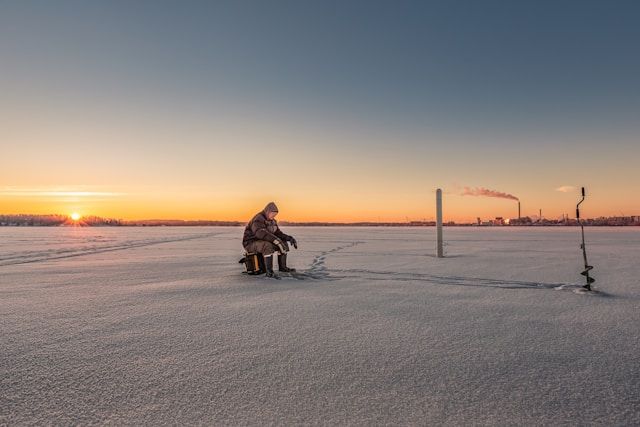
When winter hits and lakes freeze over, ice fishing becomes one of the most unique and adventurous different types of fishing techniques you can try. Instead of casting from a boat or bank, you drill a hole right through the ice and drop your line into the chilly depths below.
Typically, ice fishing is popular in northern regions like the Great Lakes area, Canada, and Scandinavia, where the lakes freeze thick enough to walk or drive on safely. Because it’s so different from open-water fishing, ice fishing offers a peaceful, almost meditative experience—until the fish start biting, that is!
In terms of ice fishing gear, you’ll need a short ice rod, a strong line resistant to freezing, an auger to drill your hole, and warm clothing (seriously—layers are key!). Expect to spend around $150–$400 for a basic setup, or consider renting an ice shelter and equipment if you're just trying it out for the first time.
To get started, drill a hole about 6–8 inches wide. Drop your baited hook or jig into the water and jig it gently every few minutes to attract fish. For example, a slow up-and-down motion with a small jigging spoon can trigger strikes from perch or walleye lurking below.
Important safety tip:
Never venture onto thin ice—always make sure the ice is at least 4 inches thick for walking and even thicker for vehicles.
As you gain confidence, you can explore using tip-ups (devices that signal when a fish bites) and even setting multiple holes to increase your chances. There's nothing quite like pulling a fat trout or walleye up through a hole in the ice while surrounded by a winter wonderland!
Surfcasting
If you love the sound of crashing waves and the wide-open beauty of the beach, surfcasting is one of the most thrilling types of fishing techniques you can experience. Instead of fishing from a boat or pier, you stand right on the shoreline and cast your bait or lure beyond the breaking waves, targeting fish that patrol the surf zone.
Typically, surfcasting is most productive during the spring and fall seasons, when baitfish migrations bring large predators close to shore. Because of the dynamic environment, this method offers exciting challenges—powerful fish, shifting tides, and strong currents all come into play.
In terms of gear, you’ll need a long surf rod (usually 10 to 12 feet), a durable saltwater spinning reel, and strong line capable of handling the force of the waves and big fish. Expect to spend around $100–$250 for a solid surfcasting setup, widely available at places like Tackle Direct, Bass Pro Shops, or local surf shops.
To get started, use a smooth sidearm cast to launch your bait beyond the surf line. For example, casting into deep troughs between waves—where fish often feed—can dramatically increase your chances of a hookup.
Beginner mistake to avoid:
Don’t turn your back on the ocean—sneaky rogue waves can easily knock you over if you’re not paying attention.
As you gain experience, you’ll learn to read the beach for signs like sandbars, rip currents, and bait activity—all of which can help you find where the fish are hanging out. There’s truly nothing like feeling the powerful pull of a striped bass or redfish on your line while standing barefoot on a sandy shore!
Bank Fishing
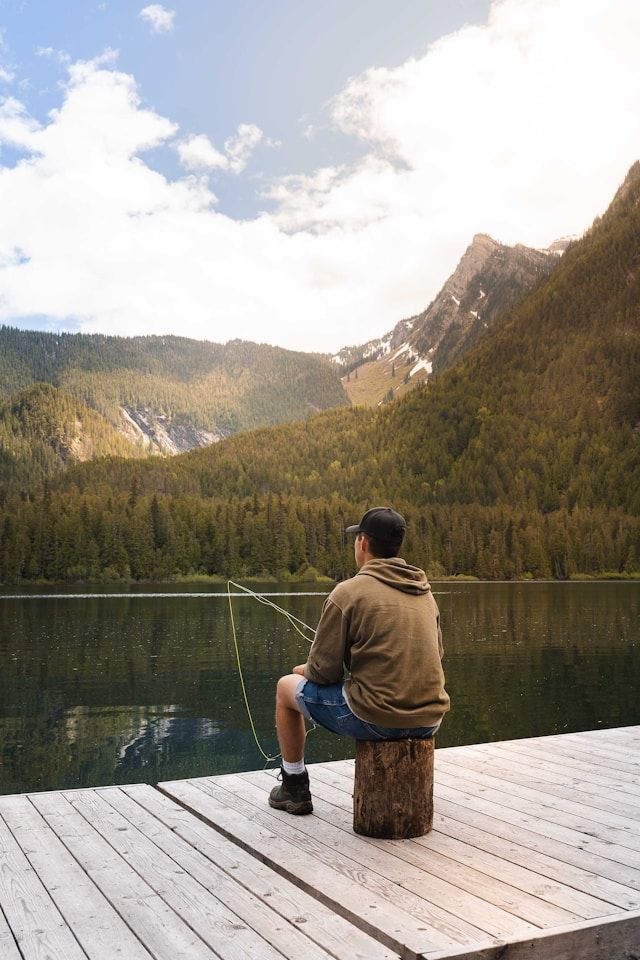
Bank fishing is one of the most relaxed, accessible fishing styles for beginners. You simply find a good spot along the shoreline—whether it’s a river, lake, pond, or canal—and fish from dry land. It’s cheap, easy, and incredibly flexible.
Bank fishing offers a chance to catch bass, catfish, bluegill, crappie, and carp, depending on where you are. You can use live bait, lures, or even simple dough balls depending on the species you’re targeting.
Look for areas with natural cover like fallen trees, bushes, or drop-offs. Moving a few yards left or right can make a huge difference in finding fish!
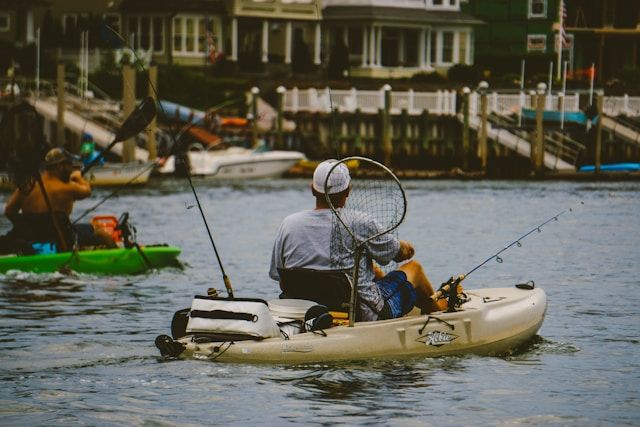
Kayak Fishing
Kayak fishing combines the thrill of paddling with the joy of angling—making it one of the fastest-growing different fishing methods today.
Fishing from a kayak lets you reach spots boats can’t get to, sneak up silently on fish, and enjoy an intimate connection with nature.
Bass, trout, snook, redfish, and even small tunas are common kayak targets.
Choose a stable fishing kayak, pack light (space is limited!), and always wear a life jacket.
Before your first real trip, practice paddling, casting, and balancing your gear in calm water. Once you get the hang of it, you’ll be amazed how close you can get to fish without spooking them.
Comparasion Chart for Different Fishing Techniques
| Technique | Description | Suitable Environments | Common Catches (Freshwater) | Common Catches (Saltwater) | Equipment/Method Details |
|---|---|---|---|---|---|
| Fly Fishing | Uses artificial flies to mimic insects, cast with a fly rod and line. | Freshwater, Inshore Saltwater | Trout, Bass, Salmon, Panfish | Redfish, Snook, Bonefish, Tarpon | Requires skill in casting, often uses a simple arbor reel, gentle landing to avoid startling fish. |
| Bait Fishing | Uses natural baits like worms, suspended under a float or weighted near bottom. | Rivers, Lakes, Saltwater | Bass, Perch, Catfish, Carp | Snappers, Groupers, Flounder | Bait impaled on hook, can use ledger/sinker, fished near hiding places, versatile for beginners. |
| Lure Fishing | Uses artificial lures, includes spin fishing (lightweight) and bait casting (heavier). | Freshwater, Saltwater | Bass, Pike, Walleye | Barracuda, Wahoo, Tuna | Lures mimic prey, retrieved to simulate movement, requires casting and retrieving skills. |
| Trolling | Pulls baits or lures behind a moving boat, covers large areas. | Freshwater, Saltwater | Salmon, Bass, Walleye | Barracuda, Wahoo, Billfish, Tuna | Uses outriggers, downriggers for depth, effective for pelagic species, can be static or dynamic. |
| Jigging | Lifts and drops a jig to imitate injured baitfish, can be vertical or horizontal. | Rivers, Lakes, Saltwater | Bass, Walleye, Crappie | Snappers, Groupers, Amberjack | Jig has weighted head, soft body, often located by fishfinder, effective for schools of fish. |
| Bottom Fishing | Keeps bait near seabed, targets bottom feeders, often with weights. | Rivers, Lakes, Saltwater | Catfish, Carp, Perch | Flounder, Halibut, Tilefish | Uses sinker, quiver tip, can be handlined or rod fishing, effective for ambush predators. |
| Ice Fishing | Fishes through holes in frozen lakes, uses specialized gear. | Frozen Lakes | Yellow Perch, Walleye, Pike, Lake Trout | - | Requires ice rods, tip-ups, layers for warmth, popular in northeastern US, Canada, and Europe. |
| Surfcasting | Casts from beaches into surf, requires long rods for distance. | Saltwater Beaches | - | Striped Bass, Bluefish, Flounder | Needs heavy weights, long rods, targets fish beyond breaking waves, popular in coastal areas. |
| Bank Fishing | Fishes from shores like riverbanks, accessible without boats. | Rivers, Lakes, Estuaries | Bass, Catfish, Panfish | Snappers, Sheepshead | Can use any technique, requires local knowledge, water depth, and structure awareness. |
| Kayak Fishing | Angling from kayaks, reaches remote or shallow areas. | Freshwater, Saltwater | Bass, Trout, Pike | Redfish, Snook, Tarpon | Requires special equipment considerations, adaptable to fly, bait, or lure fishing. |
Conclusion
As you can see, there are plenty of amazing options when it comes to different types of fishing techniques. Each method has its own charm, challenges, and rewards. Whether you're chilling by the lakeside with a bobber in the water or chasing big tuna offshore, there’s a fishing style just waiting for you.
So pick a technique that excites you, gather your gear, and hit the water. Your next big fishing story is just one cast away.