Spring bass fishing is one of the most thrilling times of the year. As water temperatures rise, bass wake up from their winter sluggishness and start feeding aggressively. But that doesn’t mean they’re easy to catch—timing, location, and lure selection make all the difference.
I’ve spent countless mornings on lakes, watching the fog lift as I cast my first lure of the day. One of the biggest lessons I’ve learned? Understanding bass behavior is the key to a successful spring fishing trip. In this guide, I’ll walk you through where to find bass, the best lures to use, and how to adjust your approach based on changing weather.
By the time you finish reading, you’ll have a game plan to catch more bass this spring—whether you’re fishing your local pond or a massive reservoir.
Understanding Spring Bass Behavior
One chilly morning in March, I launched my boat onto a well-known bass lake. The air was crisp, and the water temperature sat at 48°F—still a bit cold for bass to move shallow. I had a strong feeling the fish were still staging near deep water, so I pulled up my fish finder and scanned a main lake point where I had caught fish the previous spring.
Sure enough, the screen lit up with marks—big bass sitting on the drop-off, waiting for warmer temperatures before making their move. I tied on a suspending jerkbait and worked it painfully slow, pausing for up to 10 seconds between twitches. It took patience, but after just a few casts, I felt a solid thump—a hefty 5-pound bass crushed the bait.
Where to Find Bass in Early Spring
Bass don’t just wake up one day and rush to the shallows. They move in stages, following predictable migration routes.
✅ Main Lake Points – Bass hold here before heading toward spawning flats.
✅ Creek Channels – Think of these as underwater highways that bass use to migrate.
✅ Rocky Banks & Riprap – Rocks absorb heat, warming the water slightly. Bass love that.
✅ Shallow Flats & Protected Coves – As temperatures hit 55-65°F, bass move here to spawn.
💡 Pro Tip: If nighttime temperatures stay between 55-65°F for 2-3 consecutive days, it’s a clear sign that bass will start pushing shallow. This is when you want to focus on flats and coves, especially in the afternoons when the water is warmest.
Best Spring Bass Fishing Lures & How to Use Them
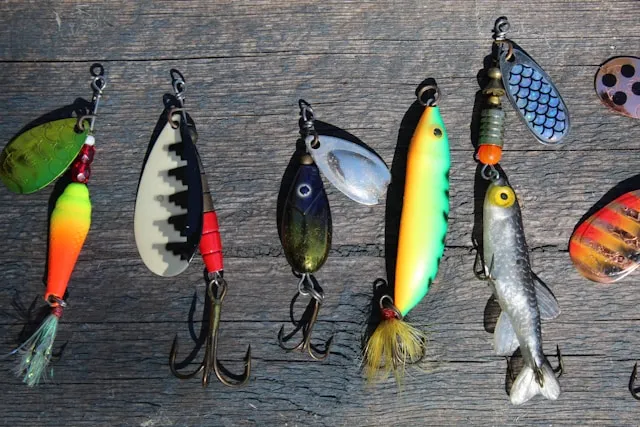
Picking the right lure in early spring can make or break your day. I’ve spent years experimenting, and these are the lures that consistently put fish in the boat.
A. Suspending Jerkbaits – Best for Cold, Clear Water (Below 55°F)
A few springs ago, I was fishing Table Rock Lake in early March. The water was cold, but the conditions were perfect for a jerkbait. I cast toward a rocky point, twitched the lure twice, and let it sit. Five seconds... ten seconds… just when I was about to move it again—bam! A 6-pound bass inhaled the bait. That day, I caught multiple fish using this slow, deliberate retrieve.
How to Fish It:
✔️ Cast near rocky points, riprap, or deep brush piles.
✔️ Use a twitch-twitch-pause retrieve—pause longer in colder water.
✔️ As the water warms, shorten the pause to trigger aggressive strikes.
B. Lipless Crankbaits – Best for Covering Water (50-60°F)
When bass start moving shallower but haven’t committed to spawning beds yet, a lipless crankbait is my go-to. Last spring, while fishing Sam Rayburn Reservoir, I noticed a few baitfish flickering over a grassy flat. I grabbed a red lipless crankbait, cast it long, and began a steady retrieve. The second my bait ticked the tops of the grass—boom! A 4-pounder crushed it.
How to Fish It:
✔️ Use a steady retrieve over submerged grass or flats.
✔️ If fish aren’t chasing, switch to a stop-and-go retrieve.
✔️ Red or crawfish colors are killer in early spring.
C. Soft Plastic Lures – Best for Finesse Fishing
There are days when bass won’t chase moving baits. That’s when I switch to soft plastics.
One morning after a cold front, I was struggling to get bites. I noticed bass hugging the bottom near a creek channel, so I tied on a drop-shot rig with a finesse worm and let it sit. That subtle movement was all it took—I ended up catching five bass in the next hour, all on a simple 6-inch green pumpkin worm.
| Lure Type | Best For | Best Rigging | How to Fish |
|---|---|---|---|
| Finesse Worms | Clear water, finicky fish | Drop-shot, shaky head | Cast, let it sink, twitch lightly, pause |
| Tube Baits | Rocky or stained water | Texas rig, jig head | Drag along the bottom, imitate crawfish |
| Drop-Shot Rigs | Post-cold fronts, deep water | Nose-hooked worm | Shake subtly or hold still |
How to Adjust for Spring Weather Conditions
🌞 Warm Fronts (Stable, Sunny Weather)
A few years back, after a three-day warm spell, I found bass loaded up in a shallow south-facing pocket. I tied on a chatterbait, and within minutes, I was hooking into fish after fish.
✔️ Bass Move Shallow & Feed Aggressively
✔️ Best Baits: Crankbaits, spinnerbaits, swimbaits
✔️ Best Fishing Times: Mid-morning to afternoon
🌧 Cold Fronts (Sudden Temperature Drop)
I’ve learned the hard way that cold fronts can shut down the bite. On a trip to Lake Guntersville, I started the morning with a crankbait—nothing. Switched to a black-and-blue jig, slowed it way down, and finally landed a 7-pounder under a dock.
✔️ Bass Retreat to Deeper Water & Slow Down
✔️ Best Baits: Jigs, Texas-rigged soft plastics
✔️ Best Fishing Times: Afternoons, when the water is slightly warmer
Final Tips for a Successful Spring Bass Fishing Trip
✔️ Look for Mudlines – Bass often sit where clear and muddy water meet. Dragging a lure from the murky side into the clear can trigger strikes.
✔️ Use the Wind – Wind disturbs the water’s surface, making bass less cautious. If it’s windy, target wind-blown banks with a spinnerbait or chatterbait.
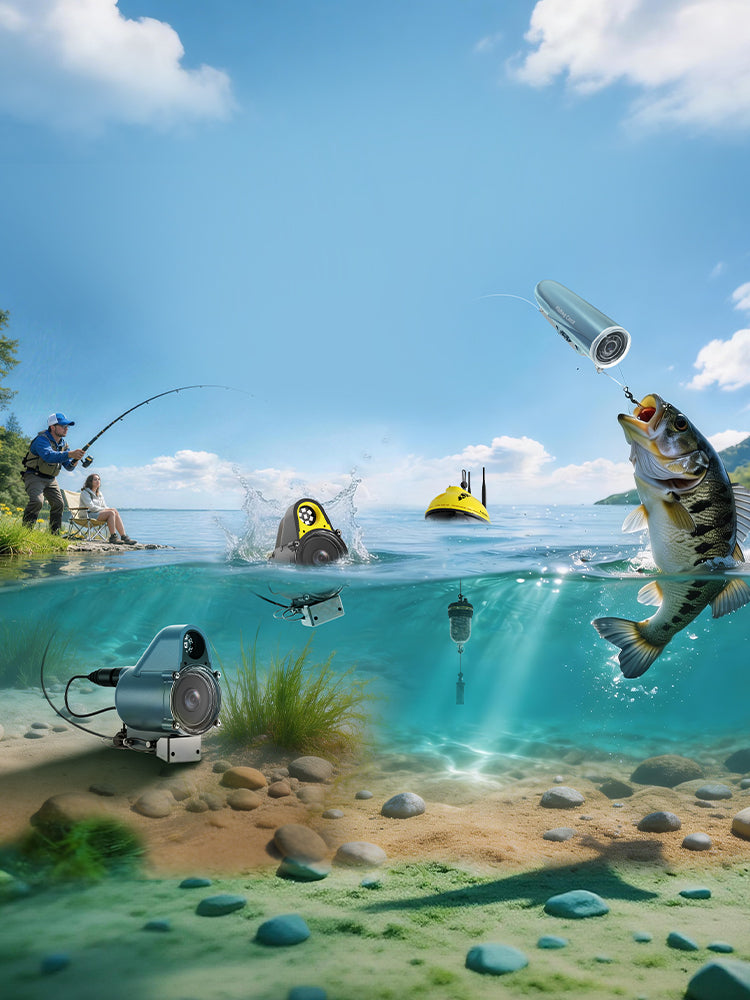
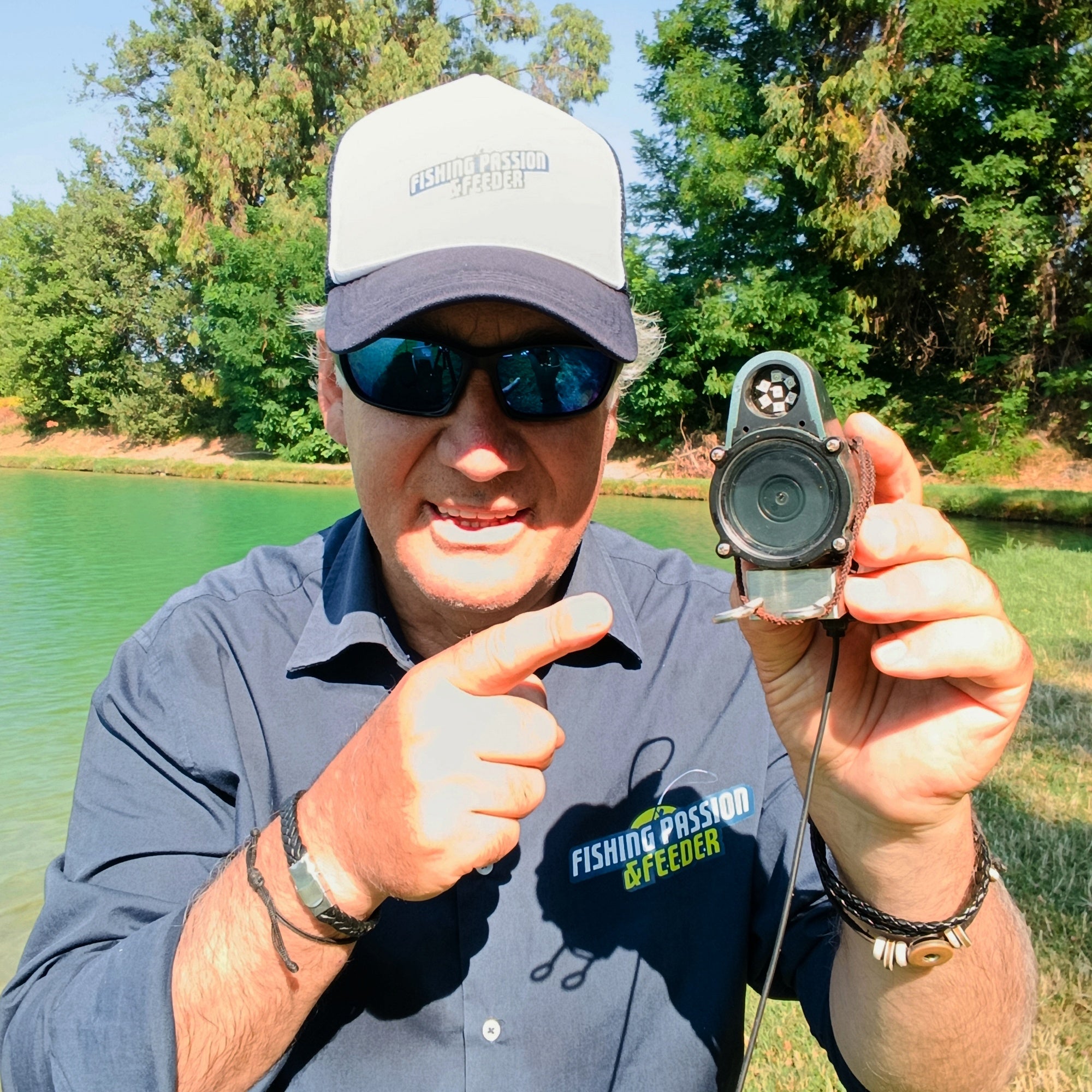
✔️ Leverage Electronics – I rely on 360-degree sonar fish finder to find staging bass near deep structures before they move shallow.
Stock up on top fishing finder for the spring season and get EXTRA 15% OFF our best-sellers with code SPRING15 (Valid until April 11) .
Final Thoughts: Catch More Bass This Spring!
Spring bass fishing is about adapting to changing conditions. By understanding where bass move, choosing the right lures, and adjusting for the weather, you’ll put more fish in the boat this season.
Now, grab your gear, hit the water, and put these spring bass fishing techniques to work!
What’s your go-to lure for spring bass fishing? Drop a comment below!