Are you ready to start your fishing journey but unsure where to begin? Our ultimate beginner's guide to fishing equipment covers everything you need to get started. From choosing the best spinning rod and reel combo to understanding which hooks and lures to use, this guide will help you gear up for success—whether you're fishing at a serene lake or by the ocean's edge.
Fishing is more than just catching fish; it's about connecting with nature, relaxing by the water, and creating unforgettable memories. But to make the most of your experience, you'll need the right fishing gear for beginners. Don't worry—we've got you covered!
Essential Fishing Gear for Beginners
Here's a quick overview of the must-have fishing gear to start your angling adventure:
- Fishing Rods and Reels
- Fishing Line
- Hooks and Lures
- Tackle Box
Each of these items plays a critical role in your success as an angler, whether you’re fishing in a serene lake or trying something more specialized like ice fishing. If you're interested in venturing into ice fishing, check out our detailed guide: What Do You Need to Start Ice Fishing? for tailored advice and equipment recommendations.
We'll break each piece of essential gear down below to help you make the best choices for your fishing journey.
Fishing Rods: Your Essential Tool

A fishing rod is the backbone of your setup. It is your primary tool for casting your line and feeling those exciting bites. But with so many types and sizes available, how do you choose? For beginners, a spinning rod is a versatile and user-friendly choice.
Recommended Options
Ugly Stik Elite Spinning Rod (6'6" Medium): Durable, affordable, and perfect for beginners learning the basics.
St. Croix Premier Spinning Rod (7' Medium-Light): Offers exceptional sensitivity and quality for slightly more advanced beginners.
Why These Rods?
- Length: 6–7 feet is ideal for beginners, offering a balance of casting distance and control.
- Power: Medium power handles a variety of species, from panfish to bass.
- Action: Fast-action rods are sensitive, making it easier to detect bites.
Remember, your first rod doesn't need to break the bank. Many reputable brands offer quality beginner rods at reasonable prices. As you gain experience, you can always upgrade or expand your collection.
Fishing Reels: The Mechanical Heart

The reel holds your fishing line, allows you to cast, and helps you retrieve your catch. For beginners, a spinning reel is the perfect companion to your spinning rod.
Recommended Spinning Reels
Pflueger President Spinning Reel (Size 30): Smooth operation with a reliable drag system.
Shimano Sedona FI 1000: Lightweight and durable, ideal for light to medium fishing applications.
What to Look For in a Reel?
- Size: Match your reel size (e.g., 2000 or 3000) to your rod and fishing needs.
- Gear Ratio: A 6:1 ratio is a good balance for beginners, offering both speed and power.
- Drag System: Look for a smooth drag to tire out fish without breaking your line.
Fishing Line: Your Link to the Fish

The fishing line is your direct connection to the fish, so choosing the right one is crucial. For beginners, monofilament line is the best choice. It's affordable, easy to handle, and forgiving when learning to tie knots.
Recommended Monofilament Lines
Berkley Trilene XL (8 lb): Excellent for general freshwater fishing.
Stren Original Monofilament (10 lb): Durable and versatile for larger species like bass or catfish.
Why Choose Monofilament?
- Strength: Handles fish sizes common to beginner setups.
- Stretch: Absorbs shocks, reducing the chance of line breaks.
- Visibility: Choose clear lines for versatility in different water conditions.
Hooks and Lures: Attract and Catch Fish
Your hooks and lures are the business end of your setup. These are what actually entice the fish to bite, so having a variety is key.
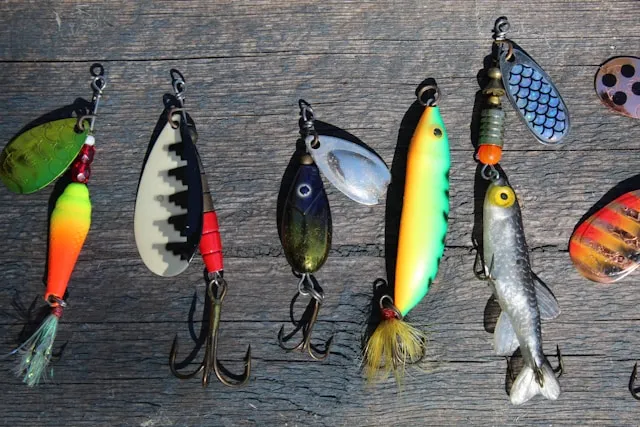
For hooks, start with a selection of different sizes. Circle hooks are great for beginners as they're designed to set themselves when a fish bites. As for lures, plastic worms, spinners, and crankbaits are versatile options that can attract a variety of fish.

Recommended Hooks
Eagle Claw Circle Hooks (Size 2/0 to 4/0): Ideal for beginners; they self-set and reduce deep hooking.
Mustad Classic J-Hooks (Size 4): Perfect for small fish like panfish or trout.
Recommended Lures
Worden's Original Rooster Tail (1/8 oz): Great for panfish, trout, and bass.
Rapala Original Floater (Size 5): A versatile crankbait that mimics small fish.
Strike King Spinnerbait (White/Chartreuse): Effective for bass in a variety of water conditions.
Pro Tip:
Start with live bait like worms or minnows for easy success. As you gain confidence, experiment with artificial lures.
Tackle Box: Stay Organized
You need somewhere to store all this gear. A good tackle box keeps your gear organized and accessible. Look for a box with adjustable compartments so you can customize it to your needs.
Recommended Tackle Boxes
Plano 3600 Waterproof Stowaway: Compact, waterproof, and perfect for beginners.
Flambeau Outdoors 3-Tray Tackle Box: Spacious and customizable for all your gear.
Bonus Accessories for a Better Experience
While the basics are essential, these accessories can significantly enhance your fishing trips and make them more enjoyable and productive:
1. Polarized Sunglasses
Purpose: Polarized sunglasses reduce water glare, making it easier to spot fish, underwater structures, and vegetation. This can be a game-changer, especially in shallow waters.
Recommendation: Look for sunglasses with UV protection to shield your eyes during long fishing trips. Popular brands like Costa Del Mar and Oakley offer high-quality options designed for anglers.
2. Fishing Pliers
Purpose: A must-have tool for removing hooks, cutting fishing lines, and crimping weights or leaders.
Features to Look For:
Corrosion-resistant materials for durability, especially in saltwater conditions.
A spring-loaded design for ease of use.
Recommended Product: KastKing Cutthroat 7-inch Fishing Pliers, known for their reliability and beginner-friendly design.
3. Landing Net
Purpose: Helps safely land fish, minimizing stress or injury—essential for catch-and-release fishing.
Features to Look For:
Rubber-coated nets to prevent tangling and protect the fish.
Compact or telescoping handles for easy portability.
Pro Tip: A good landing net also makes it easier to handle larger fish without risking your line breaking during the final pull.
4. Fish Finder and Underwater Camera
Purpose: A fish finder can help locate fish more efficiently by using sonar technology to map underwater environments. This is especially useful for beginners who are still learning where to cast their lines.
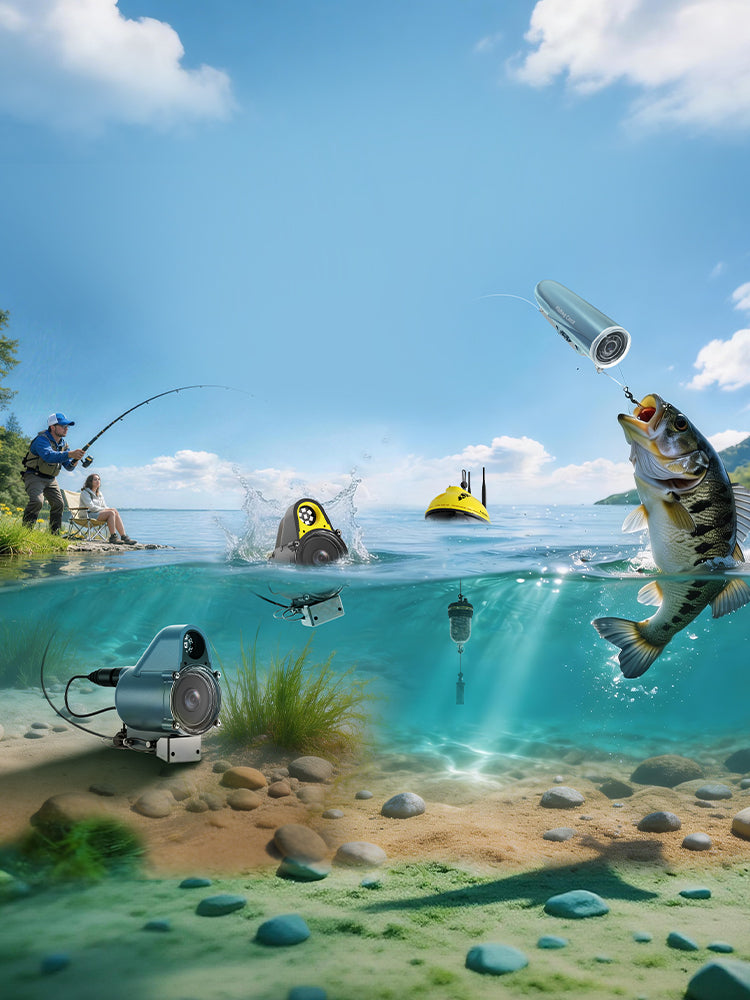
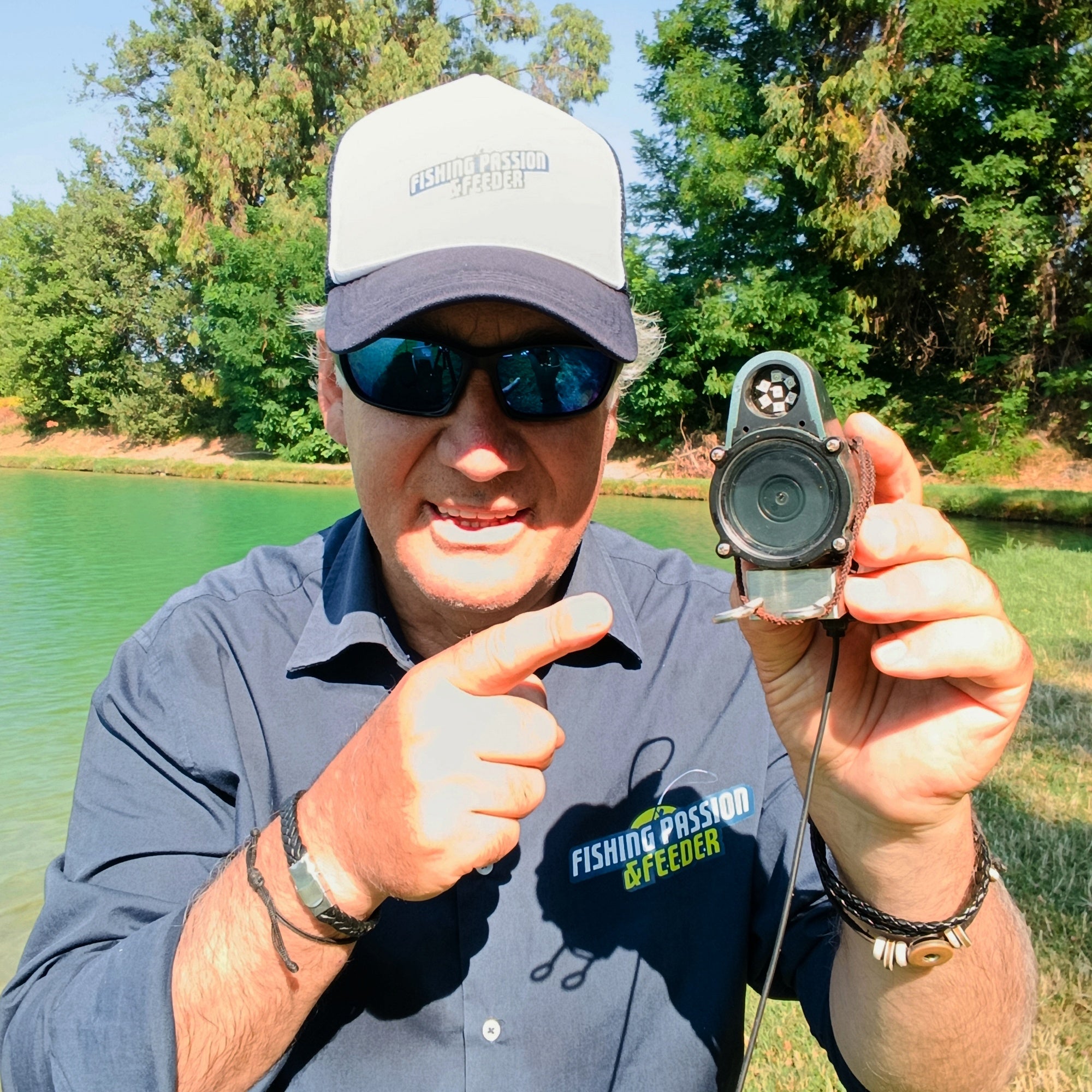
Recommended Product: CanFish F1 Pro Fish Finder Drone combines fish-finding sonar with a rotatable underwater camera, giving you a real-time view of fish activity. Perfect for identifying fish species, understanding underwater structures, and deciding where to cast.
Caring for Your Gear
Proper maintenance ensures your fishing gear lasts longer and performs better. Follow these steps to keep your equipment in top shape:
-
Cleaning Your Gear:
- After every trip, especially in saltwater, rinse rods, reels, and tackle with fresh water to remove salt, dirt, or debris.
- Use a mild soap for stubborn grime, then dry with a soft cloth to prevent rust.
-
Inspecting and Replacing Line:
- Check your fishing line for nicks, abrasions, or weak spots after each use.
- Replace monofilament lines every 6–12 months, as they degrade over time, especially when exposed to sunlight.
-
Storing Your Rods and Reels:
- Rods: Store rods vertically or horizontally on a rod rack to prevent bending. Avoid leaning rods against walls for extended periods.
- Reels: Loosen the drag system after fishing to relieve tension and avoid damage.
- Tackle Boxes: Organize lures, hooks, and other small gear in compartments. Keep them dry to prevent rust.
-
Lubricating Your Reel:
- Apply reel oil or grease to moving parts like the handle and spool after cleaning. Follow manufacturer instructions for best results.
-
Protecting Your Gear During Travel:
- Use rod sleeves or cases to prevent scratches or breakage when transporting your gear.
- For tackle, opt for waterproof boxes to keep moisture out.
Conclusion
Congratulations! You now know the basics of fishing equipment for beginners. Start with an affordable rod and reel combo, add some hooks and lures, and hit the water with confidence. Remember, fishing is about enjoying the journey as much as the catch.
So grab your gear, find a local fishing spot, and cast away. The fish are waiting, and adventure is calling. Happy fishing!