When you're just getting into fishing, choosing the right equipment can feel overwhelming. Among the many gadgets available, you've probably come across fish finders and sonar systems. Both sound similar, but they serve different purposes and are designed for different types of users. Don't worry—in this guide, we'll break down the key differences between a fish finder and sonar, so you can make an informed choice based on your needs.
What Is Sonar?
Sonar, short for Sound Navigation and Ranging, is a versatile technology that uses sound waves to detect objects underwater. It's widely used in various applications, from military and scientific research to commercial and recreational fishing.
How Sonar Works
Sonar is a clever way to "see" underwater using sound waves.
1. Sending Out Sound (Signal Emission):
The sonar device sends out sound waves, kind of like an underwater shout. These waves spread through the water, moving in all directions.
2. Listening for Echoes (Echo Reception):
When these sound waves hit something—like a fish, a rock, or the seafloor—they bounce back as echoes. The sonar device listens for these echoes to figure out what’s down there.
3. Interpreting the Data (Detailed Information):
The sonar system measures how long it takes for the echoes to return and how strong they are. From this, it can tell:
- How deep the water is
- What the seafloor looks like (smooth, rocky, sandy)
- Where objects are located, like schools of fish or debris
Types of Sonar Technology
Sonar comes in different types depending on how it scans the water:
Searchlight Sonar:
Think of this like a flashlight in the dark—it shines its "light" (sound waves) in one direction at a time. It scans small sections of the water step by step. This gives very detailed information but takes longer to cover a large area.
Best for: When you need precise data in a specific spot, like locating a single large fish or a shipwreck.
Scanning Sonar:
This works like a radar, giving you a full 360-degree view all at once. It's fast and covers a wide area, making it easier to spot fish or objects around the boat.
Best for: Quick surveys or finding schools of fish in a larger zone.
What Is a Fish Finder?
A fish finder is a user-friendly device that employs sonar technology but is specifically designed for fishing. It provides anglers with real-time data on fish locations and underwater structures, making it easier to pinpoint the best fishing spots.
Key Features of a Fish Finder
- Visual Display: Shows fish icons, water depth, and even water temperature.
- High-Frequency Sonar: Offers precise, detailed imaging in shallow to moderate depths.
- Ease of Use: Designed with beginner-friendly interfaces, perfect for recreational anglers.
Who Should Use a Fish Finder?
If you're a beginner or a recreational angler looking for a straightforward way to find fish, a fish finder is the best choice.
Fish Finder vs Sonar: Side-by-Side Comparison
| Feature | Sonar | Fish Finder |
| Purpose | Multi-use (navigation, seabed mapping) | Focused on locating fish |
| Ease of Use | Requires interpretation of data | Simple, beginner-friendly visuals |
| Coverage | Wide, suitable for deep waters | Narrow, ideal for lakes and coastal areas |
| Cost | Higher, often professional-grade | Affordable, portable for personal use |
How to Choose Between a Fish Finder and Sonar?
When deciding between a fish finder and sonar, think about where you fish, how much you’re willing to spend, and what features will make your fishing trips more enjoyable.
Assess Your Fishing Environment
The first thing to consider is where and how you'll be fishing:
- Shallow Lakes or Rivers: If you fish in smaller bodies of water, a fish finder is perfect. It’s designed for these environments, providing clear and easy-to-read visuals of fish, structures, and the water depth beneath your boat.
- Deep-Sea Fishing or Large-Scale Mapping: For vast ocean waters or if you need a detailed view of what’s happening far below, a sonar system is the better option. Its advanced technology can scan greater depths and cover larger areas, making it ideal for professionals or adventurous anglers.
Tip: Think about your usual fishing spots and how deep or wide the waters are. A fish finder works best for close-range fishing, while sonar shines in expansive areas.
Consider Your Budget
Money matters when choosing the right device. Here’s what to keep in mind:
- Fish Finders: These are typically more affordable and designed for recreational anglers. You'll find great options in various price ranges, making it easy to get started without overspending.
- Sonar Systems: Advanced sonar equipment comes with a higher price tag. It's an investment for those who need professional-level tools or fish in challenging environments.
Tip: If you're just starting, go for a budget-friendly fish finder. You can always upgrade later as your fishing skills and needs grow.
Look for Combined Devices
Technology has made fishing even easier by offering devices that combine the best of both worlds. Many modern fish finders now come with:
- Integrated GPS Chartplotters: These tools help you navigate and mark fishing spots on a map, so you can return to your favorite locations.
- Advanced Sonar Features: Some fish finders also include side-scanning or down-scanning sonar, giving you a more detailed look at the underwater environment.
Tip: Combined devices save space, money, and effort, making them a smart choice for most anglers, especially if you want versatility without carrying extra gadgets.
By thinking about your fishing environment, budget, and available features, you can confidently choose between a fish finder or sonar system. And if you're torn, a combined device with both functions might be the perfect solution!
Recommended Device: CanFish F1 PRO Fish Finder Drone
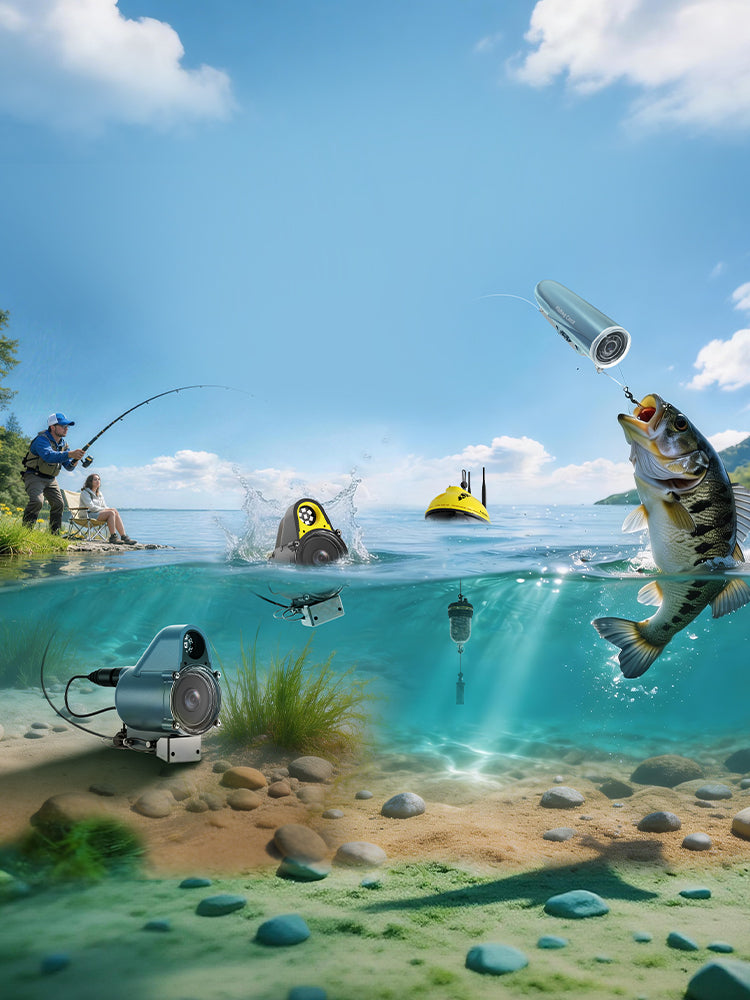
If you're looking for an innovative and versatile fishing tool, the CanFish F1 PRO Fish Finder Drone is a standout option. This cutting-edge device combines advanced drone technology with features tailored to anglers, making it a powerful alternative to traditional fish finders or sonar systems.
Why Choose the CanFish F1 PRO?
- Integrated GPS for Precision Navigation
The CanFish F1 PRO includes a built-in GPS system that tracks your position and allows you to mark fishing spots.
It ensures the drone can automatically return to you if it goes out of signal range, offering peace of mind during your fishing trips.
- 360-Degree Rotatable Camera
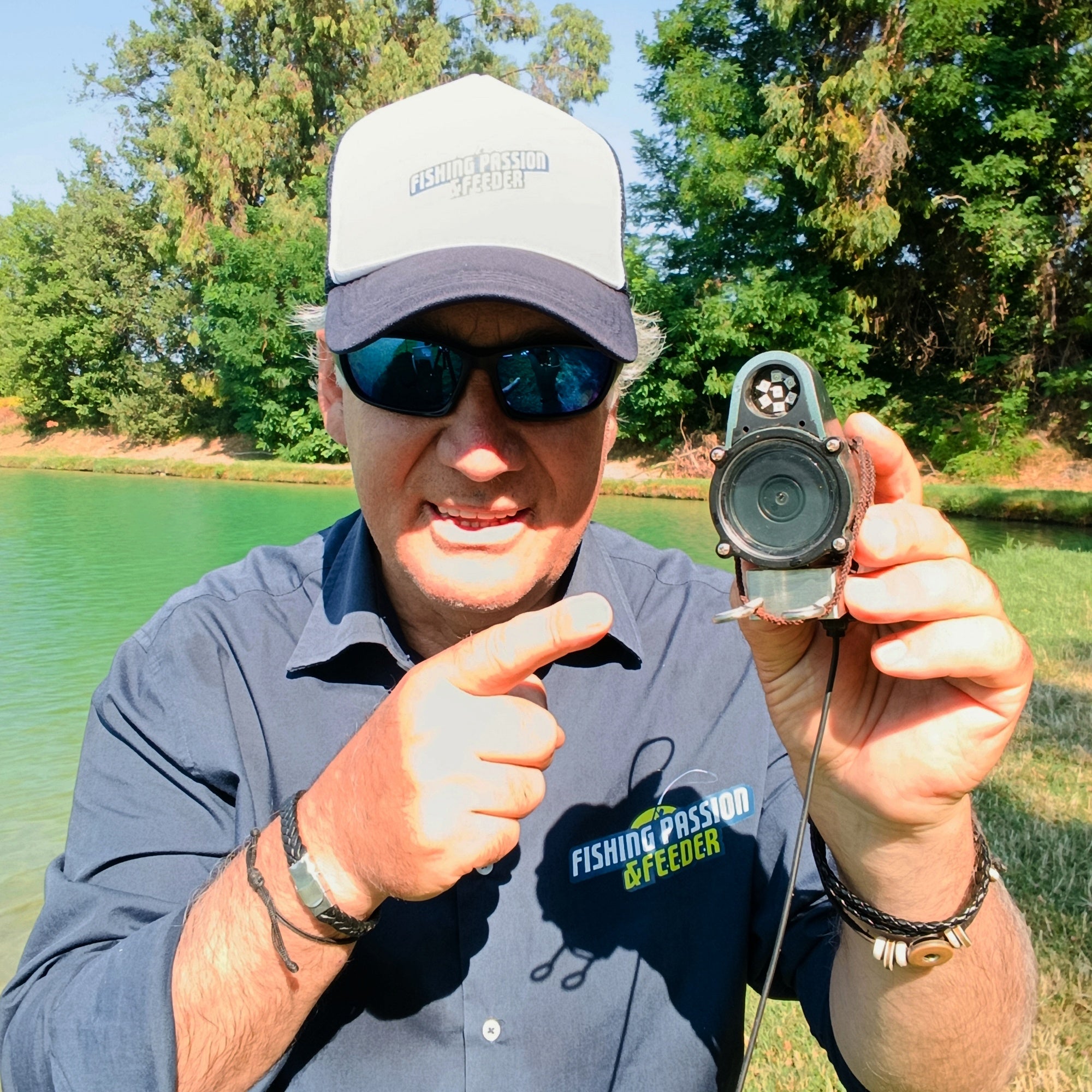
Equipped with a high-quality camera, the drone provides real-time, panoramic views of the underwater environment. It allows you to scout for fish and analyze the terrain, giving you a visual edge over traditional devices.
- App-Control and Remote Control Features
The drone is incredibly user-friendly, allowing you to operate it via a smartphone app or remote control.
These intuitive controls make it easy to launch, navigate, and monitor without technical expertise.
- Supports Spherical Sonar Bracket Mounting
For those who want to pair sonar technology with their drone, the CanFish F1 PRO supports spherical sonar bracket mounting. This adds even more versatility, enabling precise underwater scanning.
Whether you're a beginner or an experienced angler, the CanFish F1 PRO offers a mix of advanced features and ease of use. With its integrated GPS, real-time visuals, and flexible control options, this device takes fishing to the next level.