

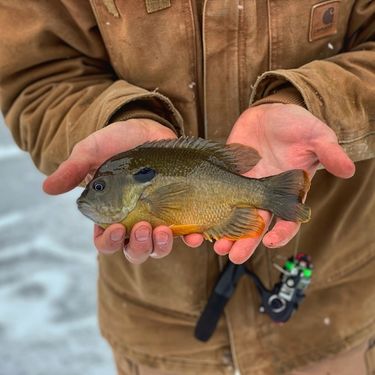
How to Catch Bluegill Through the Ice: A Complete Beginner’s Guide
There’s nothing quite like the thrill of pulling up a big bluegill through the ice. These feisty little fighters are fun to catch, easy to clean, and make for a delicious fish fry. Whether you’re new to ice fishing or looking to up your game, this guide will walk you through how to catch bluegill through the ice and help you get more bites, more often.
Fishing Spots and Conditions for Bluegill Ice Fishing
Finding the Right Spots
When I first started ice fishing, I’d drill hole after hole, hoping to stumble across a school of fish. Over time, I realized how important it is to understand bluegill habits. If you’re heading out for the first time, start with shallow, weedy areas.
Early Ice: Focus on shallow weed beds in 4–10 feet of water. Bluegill stay here early in the season because the vegetation provides oxygen and food. If you didn’t scout the lake in summer, check satellite images or use a fish finder like the CanFish CF1 to locate these spots under the ice.
Mid-Winter: When the shallows lose oxygen, bluegill move deeper (15–30 feet) to find soft bottoms rich in insect larvae. Here’s a tip: If you’re struggling to find fish, drill a series of holes along the edge of a drop-off. You’ll often catch bluegill transitioning between depths.
Late Ice: As the ice thins and sunlight penetrates deeper, bluegill head back to the shallows, preparing for the spring spawn. Focus on weed edges and areas near inlets where food and oxygen are plentiful.
Behavior of Bluegills
I’ve found that bluegill behave differently depending on the time of day and the conditions:
Dawn and Dusk: Just like deer hunters have a “golden hour,” ice anglers have theirs. During these times, plankton and small insects become active, drawing bluegill into a feeding frenzy. Be on the ice early or stay late—it’s worth the effort.
Chasing vs. Waiting: One winter, I noticed something interesting on my ice fishing fish finder: bluegill were more likely to bite when I made them chase the bait. Slowly lifting your lure as fish approach can trigger their competitive instincts. If they’re not biting, try a slower jigging motion or pause your bait just above their heads.
Bait and Lures for Bluegill
Bluegill will bite on just about anything they can fit in their mouths, but the right bait can make all the difference.
My Go-To Baits
Waxworms and Spikes: These are classic bluegill baits for a reason. I remember one trip when I ran out of waxworms and had to switch to small plastics. The bite dropped off almost immediately! Lesson learned—always bring extra live bait.
Tungsten Jigs: Tungsten sinks faster than lead, so you spend less time waiting and more time fishing. Tip the jig with a waxworm for an irresistible combo. I’ve had great luck with bright colors like chartreuse in stained water and natural tones in clear lakes.
Small Spoons or Jigging Raps: For bigger bluegill, don’t be afraid to upsize. Once, I caught my personal best bluegill—a 10.5-inch slab—using a tiny rattle spoon tipped with a waxworm.
Techniques for Catching Bluegills
Jigging Tips
Jigging is an art, and every fish behaves differently. One cold morning, I watched fish on my CanFish CF1 fish finder slowly rise toward my jig, only to stop just short of biting. After switching to a slower jigging cadence with longer pauses, I finally got them to commit. The lesson? Pay attention to how fish react and adjust your technique.
Covering the Water Column
Bluegill can be anywhere in the water column, so don’t just fish the bottom. I like to start at the bottom and raise my bait a foot at a time, watching for activity on my fish finder. If you spot suspended fish, focus there—they’re often more aggressive than those hugging the bottom.
Recommended Gear and Setup
Here’s the gear I use every season for bluegill ice fishing:
Rod and Reel: My 27-inch ultralight rod is perfect for detecting the light bites bluegill are known for. I pair it with an inline reel to minimize line twist, which can scare off finicky fish.
Line: I stick with 4-pound fluorocarbon. It’s strong, nearly invisible underwater, and sensitive enough to feel even the faintest nibble.
Ice Fishing Fish Finder: If you’re serious about catching more bluegill, invest in a fish finder like the CanFish CF1. Its real-time imaging lets you locate schools, monitor fish behavior, and adjust your tactics instantly.
Tips for Success
Drill, Drill, Drill: Bluegill rarely stray far from their schools, so if you’re not getting bites, it’s time to move. I once drilled 15 holes across a basin before finding a productive spot. It took effort, but it was worth it—I ended up catching over 20 fish in an hour.
Be Quiet: Noise spooks fish, especially in shallow water. Drill your holes early, use soft footsteps, and avoid loud noises on the ice.
Stay Mobile: If a hole isn’t producing after 10 minutes, move. Use your fish finder to identify active fish and relocate quickly.
Bring Extra Bait: I’ve been caught without enough waxworms before—don’t make the same mistake!
Experiment: If the usual jigs and waxworms aren’t working, try something new. Small rattle baits or spoons can sometimes attract larger, more aggressive fish.
Proven Strategy for Ice Fishing Bluegills
Here’s my step-by-step plan for catching bluegill through the ice:
- Scout with Your Fish Finder: Use the ice fishing fish fiinder to locate active schools and determine their depth.
- Start with a Tungsten Jig: Tip it with a waxworm and begin at the bottom, slowly working your way up the water column.
- Adjust Based on Fish Behavior: If the fish are hesitant, slow your jigging cadence or try a different bait.
- Stay Until Golden Hour: The last 30 minutes before sunset can turn a slow day into a banner day.
- Repeat and Refine: Every trip teaches you something new. Take notes, experiment, and keep improving.
Why I Recommend the CanFish CF1
As an experienced angler, I can’t overstate the importance of a good fish finder. The CanFish CF1 ice fishing fish finder has saved me countless hours by showing me exactly where the fish are. Whether you’re targeting bluegill or other panfish, its user-friendly interface and real-time imaging give you the edge you need to succeed.
Final Thoughts
Learning how to catch bluegill through the ice takes practice, but it’s one of the most rewarding winter activities you can try. With the right spots, gear, and techniques, you’ll be well on your way to filling your bucket with these scrappy fighters. And remember, tools like the CanFish CF1 can make your time on the ice even more productive and enjoyable.
So grab your gear, hit the ice, and get ready to reel in some unforgettable memories. The bluegill are waiting!