Ice fishing for lake trout is one of the most exhilarating experiences you can have on the frozen waters. As an angler who’s spent countless winters drilling holes and reeling in these powerful fish, I can tell you—there’s nothing quite like the thrill of catching a lake trout through the ice. The fight, the challenge, and the rewards make it one of the most exciting ice fishing pursuits around. In this article, I’ll share my best tips and tricks on how to catch lake trout ice fishing, including essential gear, techniques, and a few personal experiences that helped me land those monster fish.
Why Lake Trout Ice Fishing is a Winter Dream Come True
When I first started ice fishing, the thought of reeling in a lake trout was intimidating. These fish are powerful, fast, and notoriously elusive. But that’s exactly what makes lake trout ice fishing so rewarding. Unlike other fish that might stay in one spot, lake trout tend to roam in small pods, making finding them a little tricky. They are often found in deeper waters around structures like drop-offs and points, where they come to feed on baitfish like minnows and ciscoes.
If you're looking for a challenge, lake trout will give it to you. And after years of fishing for them, I’ve found a few things that can make the difference between a successful day on the ice and a frustrating one.
My Favorite Gear for Lake Trout Ice Fishing: The Essentials
Over the years, I’ve dialed in my ice fishing gear for lake trout, and now I’ve got the perfect setup that helps me target these beautiful fish effectively. Here’s a rundown of the gear that’s worked for me.
Ice Fishing Rod & Reel Combo
Let’s start with the basics: the rod and reel. When you’re targeting lake trout through the ice, you need a rod that can handle their size and strength. I prefer a medium-heavy rod, which gives me enough backbone to fight the fish but still offers sensitivity for the light bites. Pair it with a smooth, high-quality reel—something that has a good drag system so that you don’t lose control when that big lake trout takes a run.
Jigging Lures: Rattling, Flashy, and Loud
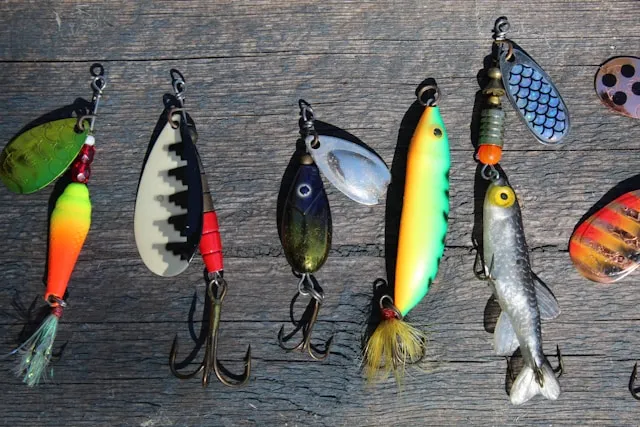
Lake trout are notorious for being drawn to loud, rattling lures. The key is to use lures that emit vibrations or create a shimmer in the water, grabbing the trout’s attention from a distance. I personally like to use rattling minnows or bucktail jigs, which have a ton of movement and sound that lake trout can’t resist. In fact, one of my most memorable catches was made with a rattling minnow that seemed to attract a hungry lake trout from a long distance.
Tip-Ups with Live Bait
Tip-ups are a game-changer, especially if you’re fishing a large area. I set up at least one tip-up with a shiner minnow on a treble hook to cover a different depth range while I jig. The key here is to hook the minnow just above the spine, near the dorsal fin, so it stays alive and active. Live bait works wonders in the winter, especially for bigger lake trout, which prefer fresh, moving prey.
Ice Auger
If you’re going to be out on the ice all day, having a reliable ice auger is essential. I’ve used both manual and gas-powered augers, but I’ve found the gas-powered auger to be the most efficient, especially when you need to drill through thick ice. I’ve drilled over 10 holes in a single day, and a good auger will save you time and energy.
Safety Gear
Never skimp on safety, especially when ice fishing for lake trout. I always carry ice cleats, a spud bar for testing ice thickness, and a throw rope in case of an emergency. In my early days, I wasn’t as careful about safety, but after hearing a few scary stories and experiencing some close calls, I learned how vital it is to stay prepared.
How to Find and Catch Lake Trout Through the Ice
Here’s where I’ll share some of the most effective techniques I’ve used to consistently catch lake trout ice fishing. Over the years, I've learned that the best strategy combines both patience and adaptability.
1. Finding Lake Trout: The Sweet Spot
Lake trout are always looking for a good feeding area, and you’ll find them where depth transitions occur, like steep drop-offs or points in the lake. A few years ago, I was fishing a lake where the depth transitioned from 20 feet to 60 feet in a matter of yards. That’s where I found the lake trout. They were roaming the water column from the depths to just under the ice, looking for prey.
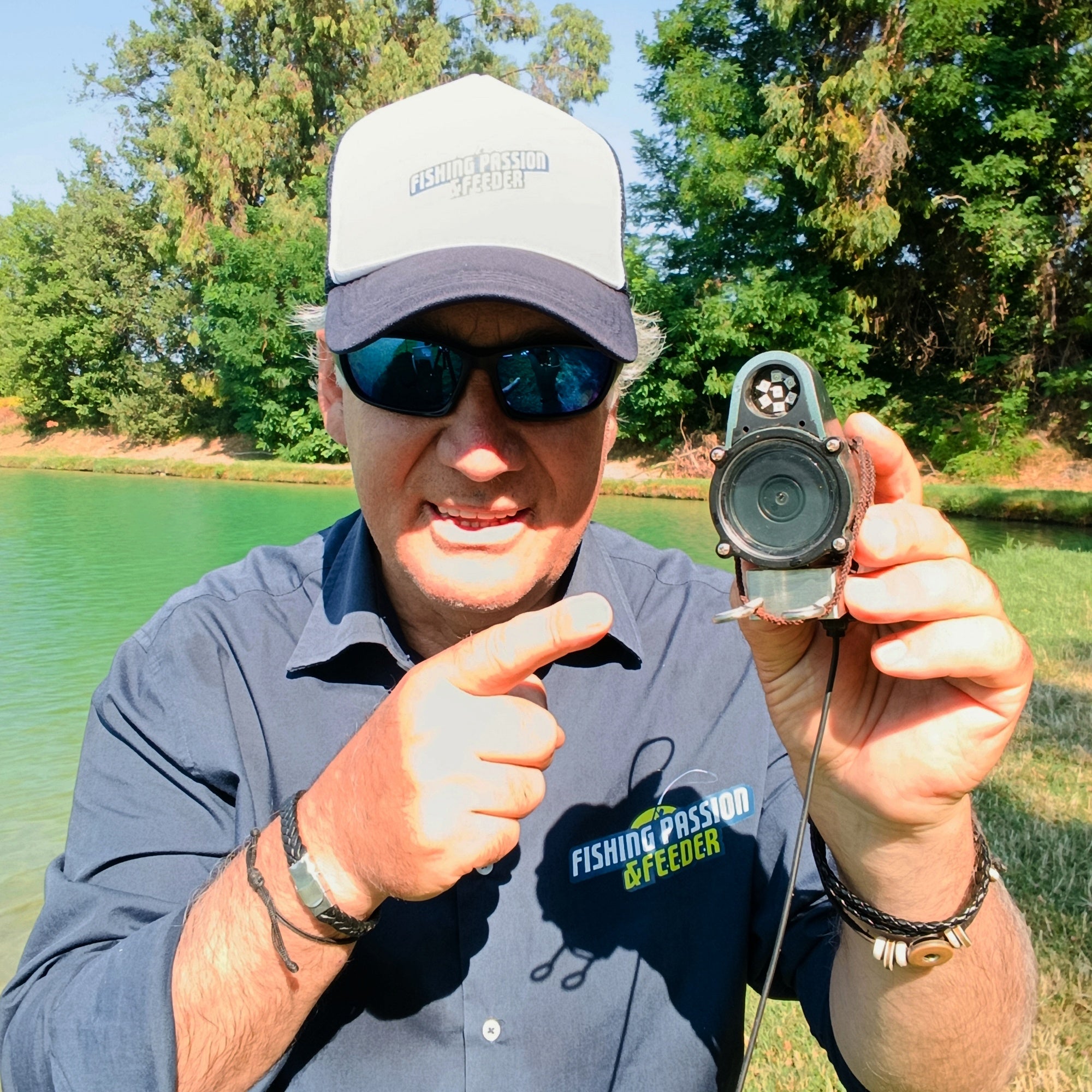
I recommend using an ice fishing fish finder to locate these depth transitions and structures. Once you find a promising spot, you can start fishing in depths ranging from 20 feet to 60 feet, depending on the conditions.
2. Setting Up Your Tip-Ups and Jigging
Here’s the approach I’ve found most effective when fishing for lake trout. First, set up tip-ups with live shiner minnows about halfway down the water column. The best place to set your tip-up is where you believe lake trout are likely to pass. As I’ve experienced, you don’t always know where they’ll bite, so setting up multiple holes can help.
Simultaneously, jig with a rattling minnow or a bucktail jig halfway down the water column. Jig aggressively—I usually give it a big swoop of about 2-3 feet. You’ll want to work the entire water column, from bottom to just under the ice. Sometimes, lake trout will hit the lure after a few slow, steady jigs; other times, they strike after a rapid movement. It’s all about experimenting with speed.
3. The Fight: Handling a Lake Trout
When you get a strike, brace yourself. The lake trout fight is one of the most intense battles you’ll face on the ice. I’ve had lake trout hit so hard that they almost snapped my line, and you’ll need to be prepared. Here’s what I do:
- Let the fish take some line: When you hook a lake trout, let it run for a moment. These fish are strong swimmers, and if you try to reel in too soon, you risk breaking your line.
- Keep your rod low: This is especially important if you’re fishing with a tip-up. Lower the rod into the hole to avoid ice friction that could cause line damage.
- Be patient: Lake trout will often fight hard for a long time, but eventually, they’ll tire out. Once the fish starts slowing down, reel in carefully. You’ll want to guide the fish’s head up towards the hole before bringing it through the ice.
Pro Tips for Ice Fishing Lake Trout
Here are a few additional tips I’ve picked up over the years that could make a huge difference in your next lake trout ice fishing adventure:
- Be Persistent: Lake trout can be elusive, so don’t give up if they don’t bite right away. Keep moving, trying different depths, and switching up your lures.
- Stay Mobile: Drilling multiple holes and moving around is often the key. Don’t stay in one place for too long if you’re not seeing results.
- Check Ice Thickness: Always check ice thickness before stepping out. At least 4 inches of solid ice is necessary for safety.
- Use a Fish Finder: Trust me—ice fishing fish finders have saved me hours of searching. They help locate fish and identify the best depths to fish at.
Final Thoughts: Your Lake Trout Ice Fishing Adventure Awaits
Lake trout ice fishing isn’t just about the gear—it’s about the adventure, the challenge, and the satisfaction of landing a big fish after hours on the ice. I’ve spent years perfecting my techniques, and each year brings new lessons and incredible memories. If you follow these tips, you’ll have a much better chance of hooking a lake trout on your next outing.
Don’t forget to pack the right gear, target the right areas, and stay patient. Whether you’re a seasoned pro or just starting, every trip offers an opportunity to learn and improve. So get out there, drill a hole, and start fishing—those lake trout won’t wait forever!