If you’ve ever wondered how to catch pike ice fishing, you’re in the right place. As an experienced ice angler, I can tell you that pike fishing in winter can be incredibly rewarding — but it does require the right knowledge, gear, and techniques. Pike are not the easiest fish to catch, but with the right approach, you'll be reeling in these toothy predators in no time. Whether you’re a beginner or an experienced angler, this guide will give you the tips, tricks, and step-by-step instructions you need to successfully catch pike ice fishing.
Pike Behavior: Understanding the Fish
Before we dive into the techniques, it's crucial to understand pike behavior. These cold-water predators are opportunistic hunters. They like to hang out in deeper waters during the summer, but during winter, they tend to move into shallower areas where the water is more comfortable for feeding. In the colder months, pike are slower and less aggressive, but they still hunt for easy meals like small fish, crayfish, and even minnows.
The key to understanding how to catch pike ice fishing is realizing that these fish are ambush predators. They’ll wait in an area where they can easily ambush their prey. This means that positioning your bait correctly is just as important as choosing the right bait. Pike will move cautiously, so patience and careful observation are essential.
Best Locations for Pike Ice Fishing
When learning how to catch pike ice fishing, location is everything. Pike like shallow mud flats, weed beds, and drop-offs where they can ambush smaller fish. They are also often found near deep water or river channels that they can use to come in and out of their feeding areas.
Here are a few spots to consider:
- Shallow Mud Flats: These areas, typically 5–12 feet deep, are full of life — from small fish to crayfish. Pike love to cruise these flats looking for easy prey.
- Drop-offs Near Deeper Water: Pike often move between shallow and deep waters. Finding a drop-off close to a deeper area can be a gold mine.
- Old River Channels: In many lakes, river channels will still hold fish in winter. These are perfect places to fish for pike.
- Weed Beds: Although they may be harder to locate in winter, pike still target areas with submerged vegetation for shelter and hunting.
I recommend using tools like Avenza Maps or Angler’s Edge to locate fishing hotspots. These apps are great for finding areas where pike like to cruise.
Essential Ice Fishing Gear for Pike
Before heading out, make sure you have the right pike ice fishing gear. Here’s a rundown of what you’ll need:
- Ice Fishing Rod and Reel: A medium to heavy-action rod will give you the strength to handle large pike. Pair it with a reel that’s durable enough for the cold and can hold a decent amount of line.
- Fishing Line: Use a strong line, like 20-30 lb braided line, to ensure you can handle the weight and fight of a big pike.
- Hooks: For pike, a single treble hook or a double hook rig works best. These hooks are sturdy and designed for the sharp bite of pike.
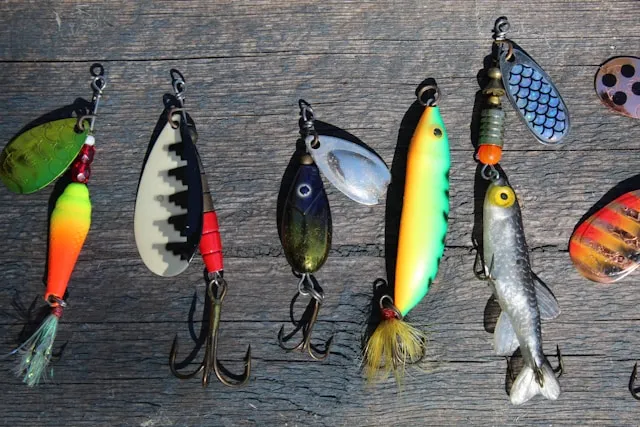
- Bait: What's the Best Bait for Pike Ice Fishing? Pike are carnivorous and will go for large, live prey that mimics the fish they eat in the wild. Live Minnows arhe most effective live bait for pike. Use minnows like shiners, chubs, or suckers for a natural presentation. If live bait is hard to find, dead minnows, herring, or even smelt will do the trick. other lures, such as large, flashy spoons, jigs, and swimbait lures, can trigger pike's predatory instincts.
- Ice Auger: A reliable auger is essential for cutting through thick ice. Make sure it's sharp and well-maintained.
- Ice Shelter/Shack: Protect yourself from the elements with an ice shelter or shack. This makes a huge difference on those bitterly cold days.
- Ice Fishing Gear Accessories: Don’t forget your ice skimmer, bucket, and measuring tape for handling the fish.
How to Catch Pike Ice Fishing: A Step-by-Step Guide
1. Choose the Best Location for Pike Ice Fishing
Knowing where to fish is half the battle. Pike tend to favor shallow areas near drop-offs, submerged structures like weed beds, and areas with deep channels. When selecting a spot, look for places where pike are likely to ambush prey. Use a map or apps like Avenza Maps to find shallow mud flats or drop-offs. Set up your ice shelter in the middle of the area so you can reach multiple spots with your fishing lines.
2. Drill the Holes
Once you’ve picked your spot, drill a few holes. The more holes, the better chances you have to find where the pike are hanging out. Make sure the holes are deep enough — 5–12 feet of water is usually ideal for winter pike fishing.
3. Set Up Your Bait
For bait presentation, you want to hang your bait around the middle of the water column. Pike are ambush predators, so you need to make it look like an easy meal. A common technique is to hook your bait through the dorsal fin or behind the head. This allows the bait to swim naturally and attract pike.
Tip: If you're fishing in deep water, elevate the bait a bit to make it more visible. The pike will see it from below and approach it.
4. Watch for the Flag
After setting up your rods, the real waiting game begins. When a pike takes the bait, the flag will trip. Pike tend to bite hard and fast, so when you see the flag go up, rush over quickly.
Tip: When you feel a fish on the line, wait a few seconds before setting the hook. Pike often grab the bait, swim off slowly, and you want to make sure the fish has taken the bait fully before you strike.
5. Reel in the Pike
Once you’ve hooked the pike, reel it in slowly and steadily. Pike are strong fighters, but if you’ve got the right gear, you should be able to handle them.
6. Release or Keep the Pike
After landing the pike, decide whether to keep it or release it. For catch and release, handle the fish gently and get it back into the water as soon as possible.
Tips for Catching Big Pike Ice Fishing
Catching big pike ice fishing requires patience, but with the right tips, you can land those monster fish. Here are some tricks:
Use Larger Baits: Big pike are less likely to chase small bait, so use larger herring or Cisco to attract bigger fish.
Use Stronger Hooks: Pike have sharp teeth that can cut through weaker hooks, so use a steel leader and strong hooks to avoid losing your catch.
Stay Quiet: Pike are sensitive to vibrations, so try to minimize movement and noise when fishing. A loud auger or drilling multiple holes can scare fish away.
Fish Deeper Water: Pike tend to cruise deeper water during the colder months, so don’t hesitate to fish in deeper parts of the lake.
Set Up Multiple Flags: By spreading out your lines, you increase the odds of attracting a big fish. More lines in the water give you more chances to catch pike.
Fish in the Early Morning or Late Afternoon: Pike tend to be more active at these times, so aim to fish during these hours for the best chance at a big catch.
Switch Up Your Bait: If you’re not getting bites, switch to a different bait or lure. Pike are known to be picky, and sometimes the fish just aren’t hungry for what you’re offering.
Stay Persistent: Big pike aren’t always easy to catch. If you’re not getting bites, keep moving around and adjust your bait until you find what works.
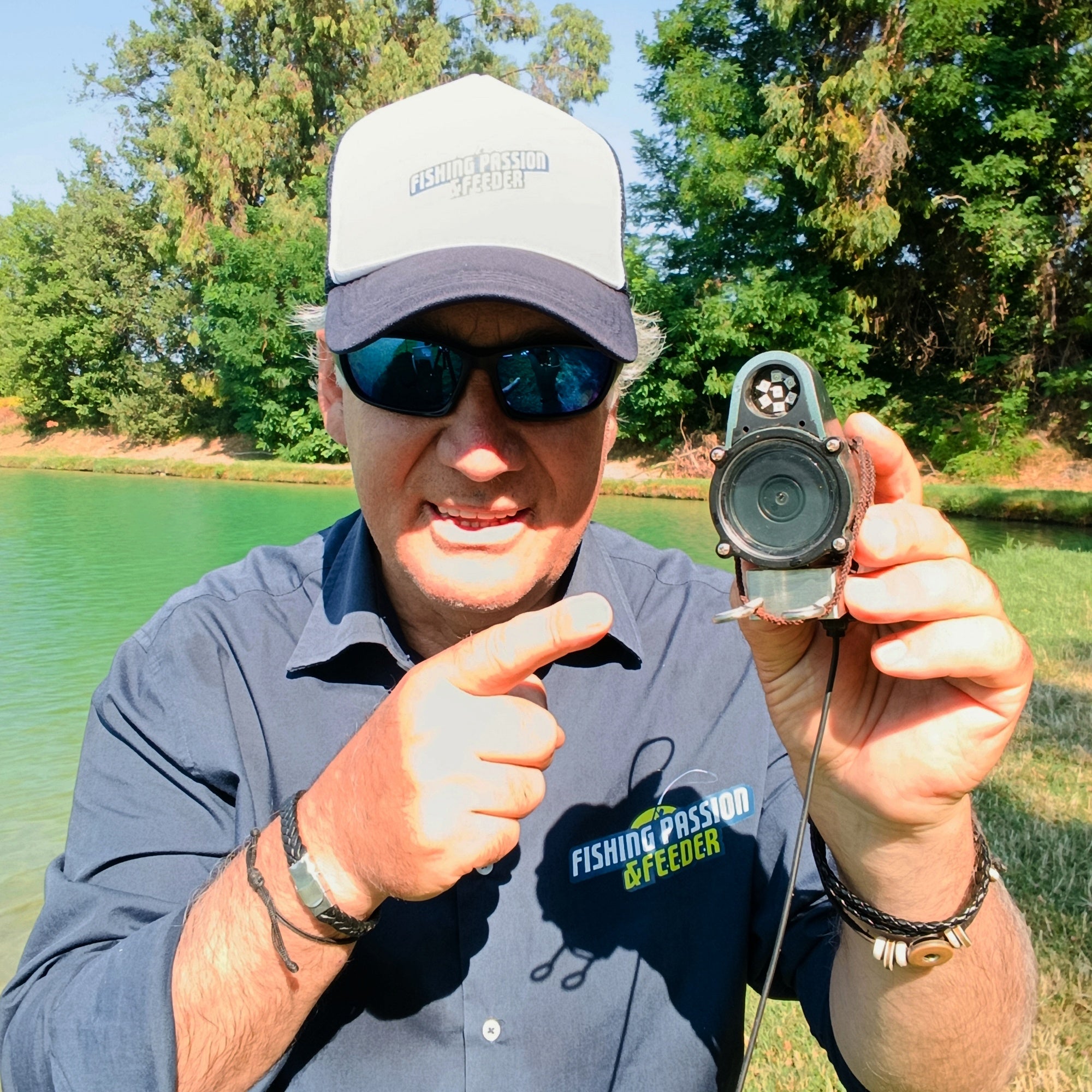
Bonus Tip: Using an ice fishing fish finder can be especially helpful when targeting bigger pike. These fish tend to hide in deeper water, and a fish finder allows you to identify exactly where these predators are lurking, making it easier to present your bait in the right zone. This can save you time and increase your chances of landing that monster pike.
Invite Your Thoughts: Share Your Pike Ice Fishing Experiences
Now that you know how to catch pike ice fishing, we’d love to hear about your experiences! What tips or techniques do you use to catch big pike during the winter months? Share your stories and advice in the comments below!
Also, if you’re looking for more ice fishing gear recommendations and tips for your next adventure, check out our guide to the best ice fishing gear for winter 2025! If you're serious about increasing your catch rates, don't forget to check out our ice fishing fish finders, which can help you locate pike with precision and ease, making every trip more successful!
Final Thoughts
Ice fishing for pike can be a thrilling challenge, but with the right knowledge and equipment, you’ll be well on your way to success. Follow these steps, use the best bait for pike ice fishing, and implement some of these expert pike fishing tips, and you’ll be reeling in trophy-sized pike in no time!
Happy ice fishing, and tight lines!