

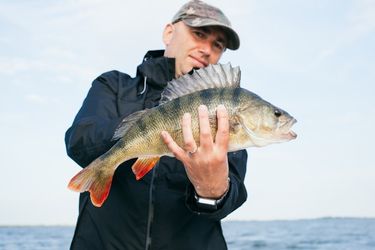
Late Spring Smallmouth Bass Fishing
Late spring is a prime season for smallmouth bass fishing, as warming waters trigger increased activity and prespawn behavior. From the Great Lakes to river systems, smallmouths become more accessible in shallow areas, offering anglers exciting opportunities. This guide provides detailed strategies, gear recommendations, and insights to help you land smallmouth bass during late spring, whether you're fishing in northern lakes or southern rivers.
Understanding Smallmouth Bass Behavior in Late Spring
In late spring—typically April in southern regions like Missouri’s Ozarks and May to early June in northern areas like Lake Superior—smallmouth bass enter their prespawn phase. They migrate from deeper waters to shallow zones (2-10 feet) to feed and prepare for spawning. Look for them around gravel beds, rocky points, creek mouths, submerged ledges, and weed beds, where they find food (crawfish, shad, perch) and cover.
Water temperature is critical, with smallmouths most active between 55°F and 65°F. In clear rivers like the Susquehanna, they may hold in slightly deeper pools (8-12 feet) during midday if temperatures climb. In lakes like Erie or Champlain, early morning and evening are prime as bass roam shallows. Pay attention to regional differences: southern waters warm earlier, while northern lakes may delay prespawn until June.
Tip: Use a fish finder or thermometer to pinpoint ideal temperatures. If bass aren’t in shallows, check nearby drop-offs or channels where they stage before moving up.
Check out When Does Spring Fishing Start? for more on spring fishing conditions.
Best Techniques for Late Spring Smallmouth Fishing
Here are proven techniques tailored to late spring conditions, with tips for varying skill levels:
- Drop-Shot Rig: Perfect for clear waters or when bass hug the bottom, as in Lake Ontario or the Mississippi River. Use a 1/4-3/8 oz weight and a 3-4” finesse worm (natural colors like green pumpkin). Drop-shotting shines in 8-15 feet near rocky transitions. For advanced anglers, vary leader length (12-24”) to match bass suspension depth.
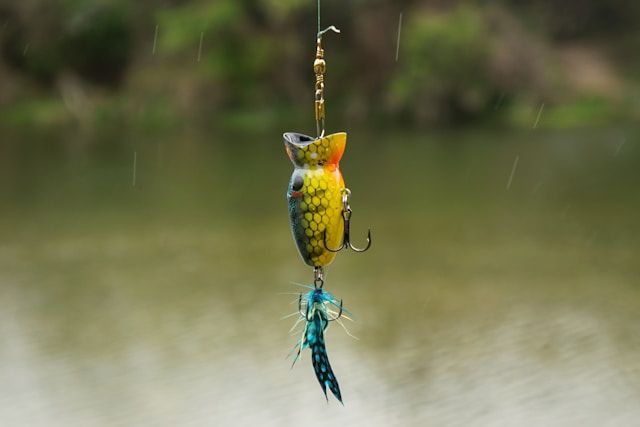
- Jerkbaits: These mimic wounded baitfish, triggering strikes in places like Lake Michigan, where shad are prevalent. Try 4-5” suspending jerkbaits in shad or perch patterns. Use a pause-and-twitch retrieve (2-3 seconds between twitches) to entice hesitant fish. In murky water, switch to brighter colors like chartreuse.
- Crankbaits and Spinnerbaits: Cover water quickly over shallow reefs (Lake Huron) or weed beds. Choose square-bill crankbaits (crawfish or shad colors) for 3-6 feet depths. Spinnerbaits with willow blades excel around rocks; slow-roll them near cover. For pressured fish, downsize to finesse crankbaits.
- Soft Plastics: Crawfish imitators (brown, green pumpkin) on Texas or Carolina rigs dominate rocky or sandy bottoms (Ohio River, Lake Champlain). A 3-5” tube jig dragged slowly mimics a scooting craw. Advanced tip: try a Ned rig with a 2.5” TRD worm for finicky bass in clear water.
- Fly Fishing with Streamers: In rivers like those in the Great Smoky Mountains, streamers like Clouser Minnows or Woolly Buggers (olive, black) imitate baitfish or sculpins. Use a 6-8 wt rod and vary retrieves—quick strips for aggressive fish, slow twitches near spawning beds. Match fly size to local forage (2-4”).
Pro Tip: Observe local baitfish. In Lake Erie, shad-like lures work best; in rivers, crawfish patterns rule. Adjust lure size and retrieve speed based on bass activity—faster for aggressive fish, slower post-cold front.
For additional tips, explore What Fish to Catch in April and learn more about Spring Bass Fishing.
Gear Up with the Right Rod, Reel, and Line
A tailored setup maximizes success. Here’s what you need:
- Rod: A 6’6” to 7’ medium-action spinning rod balances sensitivity and power, ideal for hooksets in places like Lake Michigan, where smallmouths average 2-5 lbs. For larger fish (e.g., Lake Erie), a 7’ medium-heavy rod handles bigger baits and stronger runs.
- Reel: A 2000-2500 spinning reel ensures smooth casting and drag control. In deeper waters or for bigger bass, a 2500 reel offers extra line capacity. Look for a high gear ratio (6.0:1) for quick retrieves with jerkbaits or spinnerbaits.
- Line: Use 6-10 lb fluorocarbon for clear water (Lake Superior) to reduce visibility. In vegetation-heavy rivers or reefs, 8-12 lb braid with a fluorocarbon leader (6-8 lb) provides strength and abrasion resistance.
Tackle Box Checklist:
- Lures: 4-5” jerkbaits (shad, perch), 3-4” finesse worms, crawfish crankbaits, 3/8 oz spinnerbaits, 3-5” tube jigs, Ned rigs.
- Terminal Tackle: 1/4-3/8 oz drop-shot weights, #1-2/0 hooks, 1/4-1/2 oz jigheads, bullet weights (1/8-1/4 oz).
- Accessories: Polarized sunglasses, pliers, line clippers, thermometer.
Reading Water and Weather Conditions
Smallmouths are sensitive to environmental cues. Here’s how to adapt:
- Water Conditions: In rivers, target slack water near current breaks (behind boulders, at creek mouths) where bass rest. In lakes, focus on transitions—rock-to-sand bottoms or weed edges near drop-offs. Clear water calls for natural colors and finesse; murky water favors vibration-heavy lures (spinnerbaits, rattling crankbaits).
- Weather Impact: Overcast skies extend shallow feeding periods, ideal for topwater or jerkbaits. Post-frontal conditions (high pressure, blue skies) make bass sluggish—fish deeper (10-15 feet) with slow presentations like Ned rigs. Wind pushes baitfish to shorelines, concentrating bass; cast parallel to riprap or points. Falling barometric pressure before storms can trigger feeding frenzies.
Tip: Check local water clarity and flow rates (USGS for rivers) before heading out. In stained water, add scent to soft plastics for extra attraction.
The Best Time of Day to Smallmouth Bass Fishing
Early morning and late evening are peak feeding times, especially in shallows (rivers, reservoirs, or lakes). Bass retreat to deeper water (8-15 feet) as sunlight intensifies, so midday fishing may require heavier weights or deeper presentations. Dawn and dusk offer low-light advantages, increasing topwater strike chances.
Common Mistakes to Avoid
Steer clear of these pitfalls:
- Ignoring Water Temperature: Bass are dormant below 50°F and spawn above 65°F. Fishing outside 55-65°F reduces bites. Use a thermometer, especially in variable waters like Lake Champlain.
- Wrong Depth: Prespawn bass shift depths daily. If shallows are quiet, probe nearby drop-offs (10-20 feet) with drop-shots or jigs.
- Sticking to One Spot: Smallmouths are mobile. If a spot’s dead after 15-20 minutes, move to another structure—points, reefs, or creek mouths.
- Overlooking Weather: Cold fronts slow bass; warm, stable weather revs them up. Adjust speed and depth accordingly.
Final Tips for Late Spring Smallmouth Fishing
- Target Structure: Focus on rocky points, submerged logs, or weed-to-rock transitions. Bass use these as ambush points. Side-scan sonar helps locate subtle cover.
- Match the Hatch: Mimic local forage—shad in Lake Erie, crawfish in Ozark streams, perch in northern lakes. Check stomach contents of caught fish (if legal) to confirm prey.
- Experiment with Retrieves: Vary speed and pauses. A stop-and-go crankbait retrieve or a dead-stick drop-shot can trigger reluctant bass.
- Visualize Hotspots: Picture a rocky point sloping into a 10-foot drop-off with scattered weeds. Bass often hold where rocks meet sand or near weed edges. Target casts to these transitions for precision.
Conclusion
Late spring smallmouth bass fishing offers thrilling action if you understand bass behavior, use the right techniques, and adapt to conditions. Whether you’re casting jerkbaits in Lake Erie, dragging tubes in the Ohio River, or stripping streamers in the Smokies, focus on structure, match local forage, and fish during low-light periods.
For an added edge, consider using the CanFish underwater fishing camera. This innovative tool allows you to see beneath the surface and observe smallmouth bass behavior in real-time. By using an underwater camera, you can fine-tune your bait presentation, understand where the fish are holding, and dramatically increase your chances of a successful catch. With the right gear and a willingness to experiment, you’ll boost your chances of landing a trophy smallmouth!