Lake Ontario, the smallest yet most dynamic of the Great Lakes, beckons anglers worldwide with its rich biodiversity and trophy-worthy catches. In 2025, expect an even better experience as conservation efforts—like cormorant control and boosted fish stocking—promise healthier populations of salmon, trout, walleye, and bass. Whether you’re a first-timer casting from shore or a pro trolling deep waters, this lake has it all: stunning scenery, year-round action, and fish that test your skills.
This comprehensive guide will walk you through everything you need to know about fishing on Lake Ontario in 2025—seasonal patterns, top fishing spots, the best techniques, and even tips for beginners. Grab your rod, check your license, and let’s explore why this Great Lake is your next angling obsession!
Lake Ontario Fishing Seasons in 2025
Fishing on Lake Ontario is a year-round thrill, but timing is everything. Each season brings unique opportunities tied to water temps, fish migrations, and weather.
Spring (April to June): Near-Shore Action Heats Up
As water temperatures climb to 45-55°F, spring awakens Lake Ontario’s fishery. Brown trout strike early near shorelines, while steelhead (rainbow trout) surge into river mouths by April. Smallmouth bass spawn in mid-June, hugging rocky shallows (10-20 feet deep). Target these species at inlets like the Oswego River with lightweight spinning rods and crankbaits. In 2025, expect robust brown trout numbers thanks to New York’s offshore stocking of 455,000 yearlings—designed to outsmart cormorant predation.
For a successful spring fishing trip, focus on shore fishing near rivers and inlets where the fish are looking for food and breeding grounds.
Pro Tip: Fish at dawn when water’s calm; steelhead love 50°F temps near piers.
Summer (July to August): Deep-Water Salmon Peaks
Summer transforms Lake Ontario into a salmon and lake trout paradise. Chinook (King) and Coho salmon school in deeper waters (80-150 feet) as temps hit 60-65°F, with Atlantic salmon joining the fray. Oswego and Pulaski shine as offshore hubs—use downriggers with NK Magnums at 2-3 mph to hook these beasts. Smallmouth bass linger near shore, hitting tube jigs. Weather’s ideal for boating, but check NOAA channel 16 for sudden storms.
Pro Tip: Troll early mornings; salmon bite best before 9 a.m. in July.
Fall (September to November): Spawning Runs and Walleye Surge
Cooling waters (55-60°F) draw salmon closer to shore for spawning, making September a shore-fishing bonanza. Steelhead and brown trout peak in November, while walleye and pike dominate deeper zones. Troll warm discharge points like Rochester’s Genesee River with Rapala Husky Jerks. In 2025, walleye fishing could hit new highs in the Bay of Quinte, fueled by stable populations and clearer waters.
For the best fall fishing, focus on areas like warm discharge points, where fish congregate to stay warm in the cooler temperatures.
Pro Tip: Target walleye at dusk in 30-50 feet; they school tight in November.
Winter (December to March): Ice Fishing Takes Over
Winter shifts the game to ice fishing in bays like Chaumont and Quinte. Pike, perch, and walleye thrive under 6-12 inches of ice—drill with an auger and drop minnows or soft-shell crayfish. Safety first: Verify ice thickness (4+ inches for foot traffic) via local reports. In 2025, expect Chaumont Bay to rank high again, as Field & Stream dubbed it a top ice fishing spot.
Winter fishing is a different experience from open-water fishing, but it can be just as rewarding. Keep in mind that winter gear and patience are essential, as ice fishing requires more preparation than casting from a boat.
Pro Tip: Use tip-ups at 10-15 feet for pike; check ice daily in March thaws.
Best Lake Ontario Fishing Spots for 2025
Lake Ontario’s vast shoreline and deep waters offer some of the best fishing spots in North America, each with its own charm and specialties. Whether you’re casting from shore or trolling offshore, these top locations promise unforgettable angling adventures in 2025. Here’s where to go, what to expect, and how to make the most of your trip.
Niagara River: Salmon Runs and Scenic Shores
The Niagara River, flowing from Lake Ontario’s western edge, is a powerhouse for salmon fishing, especially during the Chinook and Coho runs peaking in late summer to fall (August-October). Launch from Lewiston Landing or fish from shore at Devil’s Hole State Park, a free access point with stunning views of the gorge. In 2025, expect strong runs thanks to New York’s ongoing stocking of 250,000 Coho salmon annually. Bring heavy rods (20-30 lb test) and J-Plugs to tackle these fighters in the river’s swift currents.
Bonus: Nearby tackle shops like Niagara Outdoors in North Tonawanda can outfit you on the fly.
Sandy Hook: Smallmouth Bass Haven
Nestled near Niagara County, Sandy Hook is a shore angler’s dream for smallmouth bass, especially from spring through summer (April-August). Its clear, shallow waters—averaging 10-20 feet—teem with bass drawn to rocky shoals. In 2025, look for post-spawn action in June, when smallmouth hit soft plastics like tube jigs or crankbaits. Access is easy via Sandy Hook Road, with parking just steps from the water. Locals swear by early mornings here; arrive by 6 a.m. to beat the crowds and catch fish up to 5 lbs.
Pro tip: Pack polarized sunglasses to spot bass in the crystal-clear shallows.
St. Lawrence River: Year-Round Diversity
Technically an outflow of Lake Ontario, the St. Lawrence River earns its spot as a year-round fishing gem. From Cape Vincent to Ogdensburg, it’s a hotspot for lake trout, walleye, and bass, with ice fishing thriving in winter (December-March). In 2025, target walleye near Clayton’s weed beds in fall using precision trolling with minnow-tipped jigs. The river’s Thousand Islands region adds a scenic twist—fish amid historic lighthouses and castles. Rent gear at French Creek Marina or book a charter for deeper waters.
Note: Its proximity to Canadian borders means dual licenses may apply if you cross over.
Bay of Quinte: World-Class Walleye Fishing
On Lake Ontario’s eastern shore in Ontario, Canada, the Bay of Quinte is a walleye paradise, especially from mid-October to spring. Known as the “Walleye Capital of the World,” its limestone shoals and clear waters draw fish averaging 10-15 lbs. In 2025, expect peak action in November as walleye school up—troll with Rapala Husky Jerks at 2-3 mph for best results. Winter brings top-tier ice fishing; head to Hay Bay with an auger and minnows. Access via Belleville’s public docks, and unwind post-trip in nearby Prince Edward County’s acclaimed wineries.
Fun fact: Conservation efforts here, like cormorant population control, boost juvenile fish survival, promising big catches.
Hidden Gem: Nine Mile Point
For a quieter 2025 adventure, try Nine Mile Point near Oswego, NY. This lesser-known spot shines for brown trout and smallmouth bass, particularly in spring and fall. Shore anglers can cast from the rocky beach off County Route 1A, while boaters troll spoons like NK Magnums in 30-50 feet of water. Its isolation means fewer crowds, but its proximity to Oswego’s warm-water discharges attracts fish year-round. Check X posts from local anglers for real-time bite reports before heading out—search “Nine Mile Point fishing 2025” for the latest buzz.
Types of Fish in Lake Ontario
Lake Ontario’s 122 species (including 12 invasives) offer endless targets. Here are some of the most popular fish species to target in 2025.
Trout
- Rainbow Trout (Steelhead): Stocked at 75,000 annually in harbors; these fish are most abundant during the spring months.
- Brown Trout: Another popular species, stocked at around 455,000 yearlings annually by New York’s Department of Environmental Conservation (DEC).
- Lake Trout: A Deep-water staple of Lake Ontario fishing, these fish can reach impressive sizes, with the state record weighing in at 41 lb 8 oz.
Salmon
- Chinook (King) Salmon: The 47 lb 13 oz state record for Chinook salmon shows just how big these fish can get. These are the most sought-after salmon species in Lake Ontario, with the annual stocking efforts ensuring self-sustaining populations.
- Coho: A close second in popularity, these fish are stocked at 250,000 annually by New York, making them another favorite for anglers; 33 lb 7 oz record.
- Atlantic: While less common, Atlantic salmon are also found in Lake Ontario. The record for these fish is 24 lb 15 oz, a notable catch in the lake’s history.
Walleye
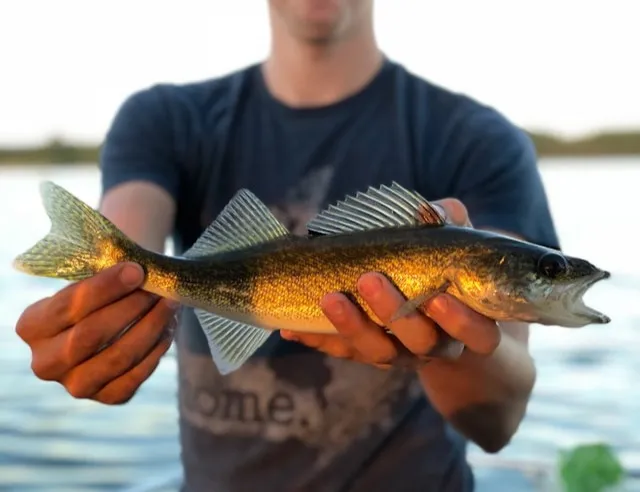
Known for their size and delicious taste, walleye are particularly abundant in the Bay of Quinte during the fall and winter months. These fish can grow to impressive sizes, often reaching 10-15 lbs; use live bait in 30-50 feet.
Bass
- Smallmouth: One of the most fun fish to catch on Lake Ontario, smallmouth bass are abundant, particularly in shallow waters like the Bay of Quinte, and Sandy Hook.
- Largemouth: These bass can also be found in Lake Ontario’s warmer, shallower areas like Chaumont, making them a great catch for shore anglers; hit weeds with worms.
Essential Gear and Techniques for Lake Ontario Fishing (2025)
Fishing on Lake Ontario can be an exciting adventure, but having the right gear is crucial for a successful trip. Depending on your fishing approach—whether shore fishing, boat fishing, or ice fishing—your gear choices will vary. Here's a breakdown of what you'll need in 2025 to make your fishing experience as smooth as possible.
Shore Fishing
If you're fishing from the shore, you'll want lightweight rods and spinning reels, especially for smaller species like smallmouth bass. For the best results, use soft plastics or crankbaits to attract fish near the shoreline.
- Rod: 6-8 feet in length, perfect for casting.
- Line: 8-12 lb test, strong enough for small to medium fish.
- Bait: Soft plastics for bass, spoons for trout.
Shore fishing can be relaxing and rewarding, especially in the spring and fall when fish move closer to the shore.
Boat Fishing
If you’re planning to head out into the deeper waters of Lake Ontario, you’ll need specific gear for targeting fish like lake trout and salmon. Downriggers are essential for getting your lures to the right depth (80-150 feet). For trolling, planer boards and divers help keep your lures at the right depth away from the boat.
- Downriggers: For targeting fish like salmon and lake trout at deep depths.
- Planer Boards: Great for fishing close to the surface (0-20 feet).
- Line: 12-20 lb test for strength and durability.
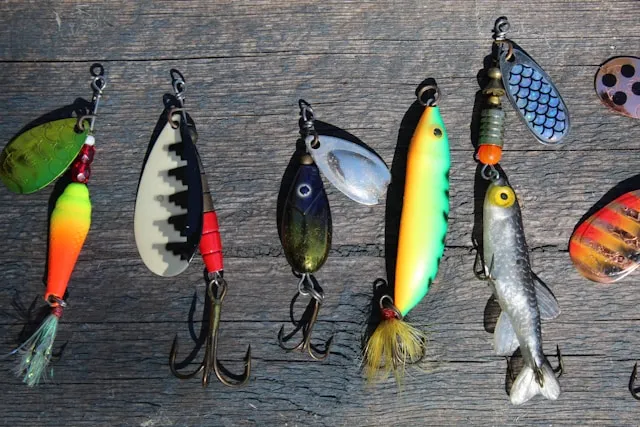
- Lures: NK Magnums or J-Plugs work well for salmon.
- Speed: Troll at 2-3 mph for the best action.
Boat fishing gives you access to deeper areas of the lake and more opportunities to catch bigger fish like salmon.
Ice Fishing
When the water freezes over, ice fishing becomes the go-to option. For this, you'll need an ice auger to drill through the ice and short rods for better maneuverability. As for bait, soft-shell crayfish and minnows are your best bet, especially when targeting walleye and pike.
- Auger: A standard 8-inch auger works well for cutting holes in the ice.
- Rods: Shorter rods designed for ice fishing.
- Tip-Ups: Great for setting lines without holding them.
- Bait: Minnows and crayfish are effective for attracting pike and walleye.
Ice fishing is a whole different experience, requiring patience, but it can be very rewarding with the right setup.
Tech Boost
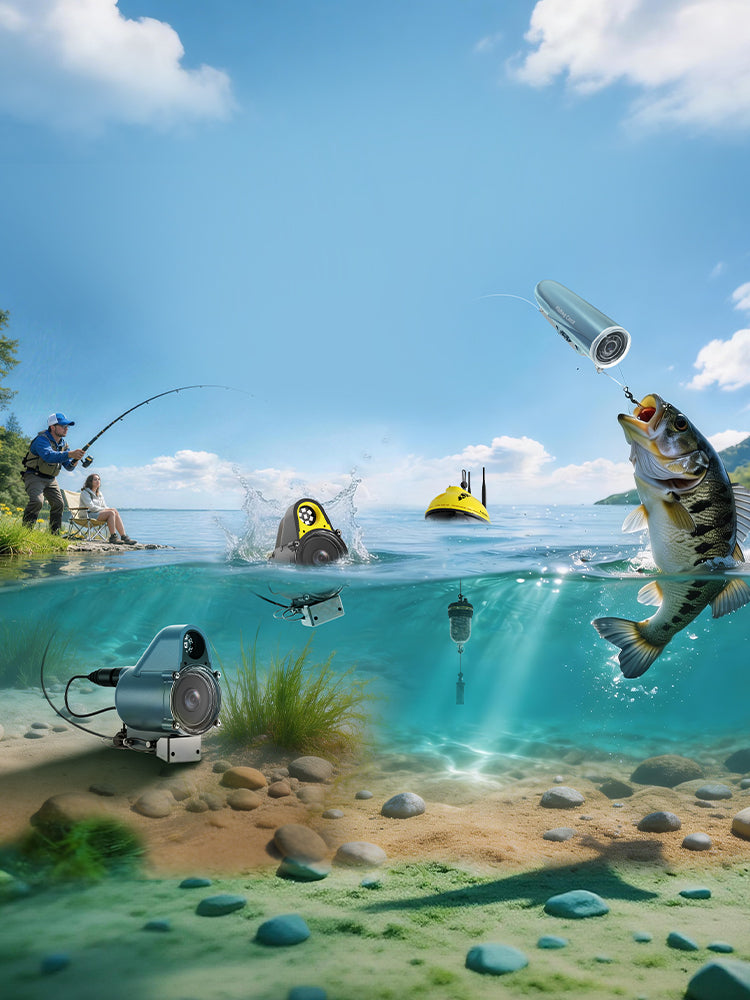
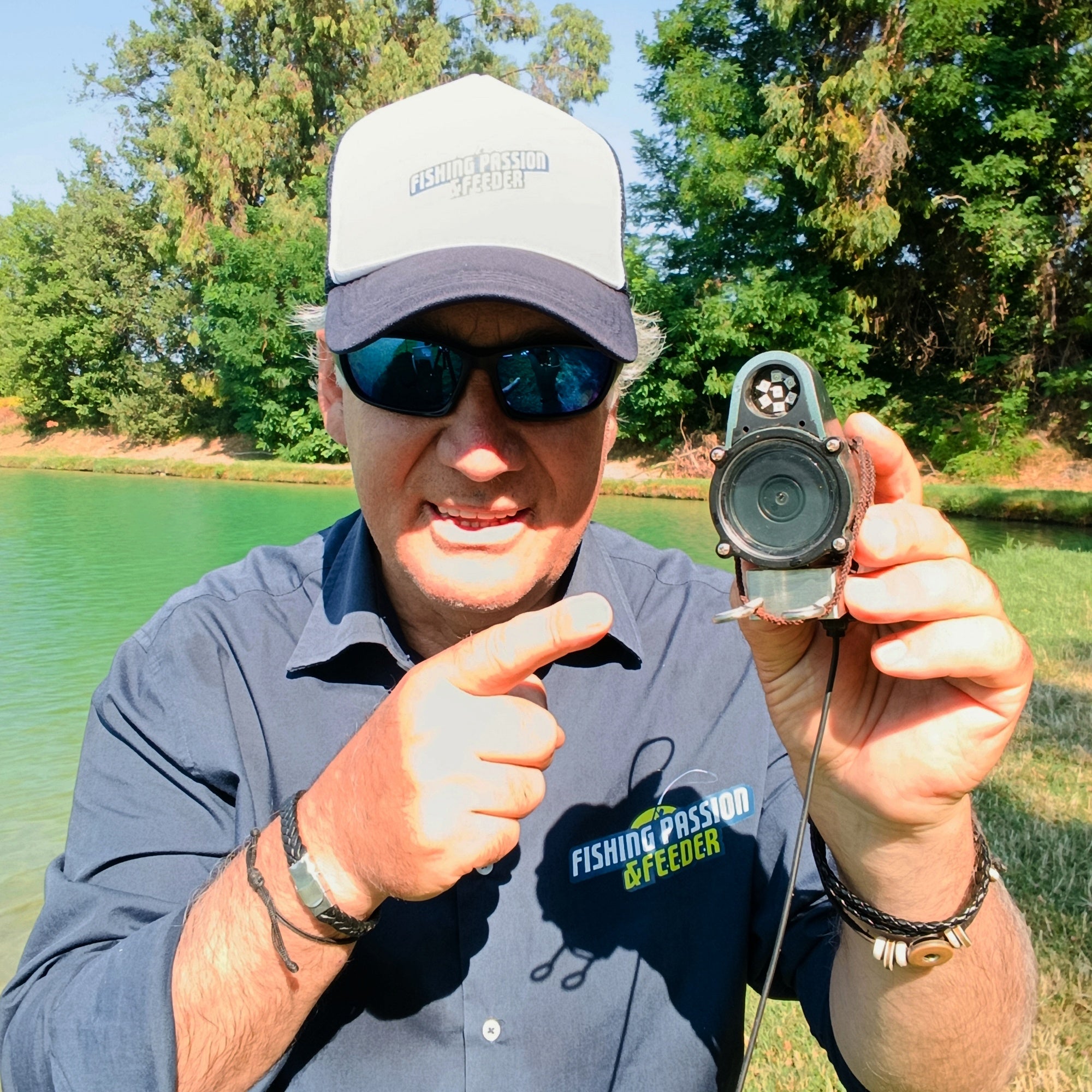
Technology can also enhance your fishing experience. Consider investing in fish finders like Chasing underwater live stream cameras or apps such as Fishidy, which help pinpoint the best spots for fishing in 2025. These tools can save you time and increase your chances of success on the water.
Fishing Safety and Boat Recommendations
Lake Ontario’s size demands caution. Use deep V-hull boats (16+ ft) with 50+ hp main and 5-10 hp trolling motors. Carry two batteries, a marine radio (channel 16), and GPS. Avoid offshore trips in 20+ mph winds—check FishWeather for forecasts.
Top 5 Lake Ontario Fishing Tips for 2025
1. Time It Right: Fish During Peak Hours To maximize your chances of a successful day on Lake Ontario, fish during the early morning or late afternoon, when fish are typically more active. In 2025, the best times for specific species can vary:
- Salmon: Fish at dawn (especially in August) when the water is calm and fish are feeding near the surface.
- Walleye: Target them at dusk (particularly in November) when they are more likely to bite in the cooler evening waters.
By aligning your fishing times with peak activity periods, you'll significantly improve your chances of hooking a trophy catch.
2. Choose the Right Lures for Success Using the right lure can make all the difference in Lake Ontario fishing. Fish often have preferences based on depth, season, and species:
- J-Plugs: Excellent for salmon, particularly in deeper waters.
- Spoons: Effective for lake trout, especially when trolling at depths between 80-150 feet.
- Live Bait: Use minnows or worms for bass, especially when casting from shore. Be sure to match the depth of your lure to the fish species you’re targeting, adjusting as needed based on water temperature and fish behavior.
3. Understand Weather Conditions and Adjust Accordingly Weather conditions play a critical role in fishing success. Low-pressure systems, for example, often trigger fish to become more active, making them more likely to bite. To stay ahead of changing conditions:
- Use weather apps like NOAA or FishWeather to check current conditions and forecasts.
- Wind and temperature also impact fish behavior—calmer waters in the morning often result in better bites, especially for species like salmon and trout.
By understanding how weather influences fishing, you can adjust your strategy and increase your odds of success.
4. Go Deep or Shallow—Know Where to Cast Lake Ontario offers fishing opportunities in both shallow and deep waters, depending on the season and species you’re targeting:
- Deep Fishing: In the summer (especially July), use downriggers to fish at depths of 100 feet or more for lake trout and salmon. These fish tend to stay deeper when the water warms up.
- Shallow Fishing: In June, smallmouth bass are found closer to shore, making it the perfect time for shore casting. Use light rods and soft plastics to target bass in the 10-20 feet range near rocks and inlets.
Adjust your fishing technique depending on the depth you need to target to make sure you’re fishing in the right zone.
5. Fish Ethically for the Future of Lake Ontario To preserve the fishery for future generations, it's important to follow ethical fishing practices:
- Catch and Release: If you catch fish that are undersized or out of season, release them safely to help maintain the population.
- Know the Regulations: Always check local regulations for the New York State and Ontario limits on species, sizes, and fishing seasons to ensure you're fishing sustainably. New York State requires an annual fishing license for anyone 16 and older. Be sure to check the 2025 Freshwater Fishing Regulations Guide for updated rules. Ontario requires an Outdoors Card for residents and visitors between the ages of 18 and 65. Check the Ontario Fishing Regulations Summary for up-to-date guidelines.
Always be sure to carry your fishing license and stay within the legal limits to help maintain sustainable fishing practices.
By respecting these practices, you help preserve Lake Ontario’s diverse ecosystem, ensuring others can enjoy fishing there for years to come.
Benefits of Charter Fishing on Lake Ontario
New to Lake Ontario? Charter fishing is an excellent option! Charter services provide guided experiences, which are especially helpful if you’re unfamiliar with the best spots or fishing techniques. They also provide all the necessary equipment and bait, saving you time and effort.
Charters like Reel Mistress Sport Fishing (Port Whitby) offer guided trips ($300-$600/day), gear, and expertise. In 2025, beginner packages teach trolling, while pros chase trophies. Book via FishingBooker for Oswego or Quinte options.
Wrap Up: Your 2025 Lake Ontario Adventure Awaits
Lake Ontario fishing in 2025 blends world-class spots, diverse species, and evolving conservation wins. Cast from Sandy Hook, troll Oswego’s depths, or drill Quinte’s ice—every trip delivers. Fish responsibly, respect regs, and have fun! Your next trophy awaits!